


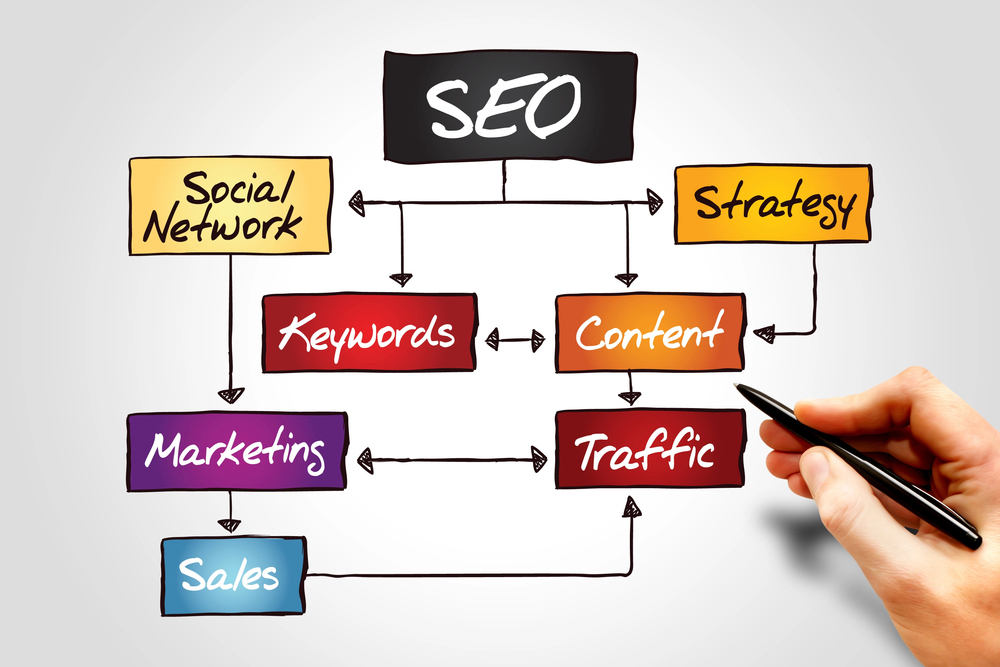
You’ve got the vision, the product, and maybe even a beautiful website. But what if no one’s visiting? If your potential customers can’t find you online, you’re losing business. That’s where SEO comes in. Don’t worry if you’re not a tech expert. This mini SEO guide breaks down the basics of getting found on Google in a way that’s easy to follow and actually works. Whether you’re just starting out or you’ve been in business a while, it’s never too late to work on your visibility.
Why Entrepreneurs Can’t Afford to Ignore SEO?
Search engines are where most of your customers start. When someone looks for services or products like yours, their journey begins with a quick search. If your website doesn’t show up, they’ll find someone else.
Even if you’re active on social media, SEO plays a different and often more powerful role. Unlike social posts that vanish in a day, good SEO brings long-term visibility. You’re building a foundation that keeps working behind the scenes. Here, we outline the steps as a mini SEO guide.
Step 1: Understand What People Are Searching For
The first step in SEO is figuring out what your audience is typing into that search bar.
These words and phrases are called keywords. They connect you to your audience. Instead of guessing, use tools like Ubersuggest, Google Keyword Planner, or even Google’s autocomplete to see what’s trending in your niche.
Let’s say you run a vegan bakery in Austin. Some keywords you might want to target could include:
- “Vegan cupcakes Austin”
- “Best eggless cake shop”
- “Plant-based desserts near me”
Use these insights to guide what you write and how you talk about your business online.
Step 2: Use Those Keywords Smartly on Your Website
Once you know what keywords matter, the next job is to place them in the right spots.
But don’t stuff them everywhere. Google’s smarter than that.
Here’s what really makes a difference:
- Write clear page titles and meta descriptions using your main keywords
- Add headings that guide your reader and include relevant terms
- Naturally include keywords in your content, not forced or repeated too often
- Make sure each page focuses on one core topic
Also, if your site isn’t mobile-friendly or takes forever to load, search engines (and users) won’t be happy. A clean design, simple navigation, and fast loading speed are just as important as the content.
Step 3: Get Other Websites to Talk About You
Now let’s talk about backlinks. Probably the trickiest part of SEO, but also one of the most powerful.
When other websites link to yours, search engines see it as a sign that your content is valuable. But you don’t need just any links. You need high quality natural backlinks from websites that have authority and are related to your industry.
So, how do you earn them? Either you take help from a professional link-building agency or write quality content so people link to it.
Start by writing content worth linking to. That could be an in-depth guide, some original research, or even a unique take on a trending topic. Then, reach out to bloggers, publishers, or business partners and ask if they’d consider linking to your post or even letting you write a guest blog.
You can also be active in niche forums or Facebook groups, where sharing a helpful resource might naturally bring in links. This takes effort, but every quality link gives you a boost.
Step 4: Build Helpful Content That Solves Real Problems
Blogging still works! But only when it’s done with intention.
When you create helpful content, you’re not just filling up space. You’re answering questions, sharing advice, and building trust. And guess what? Google loves that.
If you’re stuck on what to write about, ask yourself:
- What questions do your customers keep asking?
- Are there common myths or mistakes in your industry?
- Can you explain a process or walk someone through a solution?
Turn those answers into blog posts, guides, or quick how-tos. Keep your tone easygoing and natural, like you’re talking to a customer face-to-face. And don’t forget to update your content once in a while; it keeps it relevant and fresh.
Step 5: Don’t Ignore Local SEO (Especially for Service Businesses)
If your business depends on customers in your area, like a salon, law firm, or fitness studio, then local SEO should be a top priority.
Here’s a simple way to start:
- Set up your Google Business Profile with the correct name, address, phone number, and business hours.
- Ask satisfied customers to leave reviews. Respond to those reviews. It shows you care.
- Use location-specific keywords in your website copy, like “wedding photographer in Denver” or “Los Angeles tax consultant.”
When you do this, your business becomes more likely to show up in local map listings and “near me” searches, which often lead to quick conversions.
Step 6: Keep an Eye on What’s Working
You don’t need to be glued to your screen 24/7, but checking your progress once or twice a month can give you great insights.
Free tools like Google Analytics and Google Search Console are your best friends here. You can see:
- How do people find your site
- Which pages do they visit
- What keywords are driving the most traffic
- If there are any issues holding your site back
This data helps you adjust your content, optimize underperforming pages, and celebrate the wins when something goes right.
Step 7: Stay Consistent and Be Patient
One blog post won’t change your ranking overnight. SEO is more like a slow burn than a fireworks show. But the good news? Every smart step you take adds up over time.
If you can stick to a simple routine, like posting one helpful blog each month, updating your main pages every quarter, and building a few solid backlinks, you’ll start to see steady growth.
SEO works best when you stay consistent. The more you update, improve, and build over time, the more visible your business becomes.
Final Thoughts
Getting found online doesn’t have to be overwhelming. When you break it down into smaller steps, as set out in this mini SEO guide, such as understanding your audience, improving your site, publishing useful content, and earning backlinks, you’re already way ahead of most business owners.
You don’t need a massive budget or a full-time SEO team to see results. You just need the right information and a bit of consistency.
Start small. Keep learning. And soon, more people will find exactly what you offer.
Enjoyed this article? Add People Development Magazine as a preferred source on Google:
