



Overview
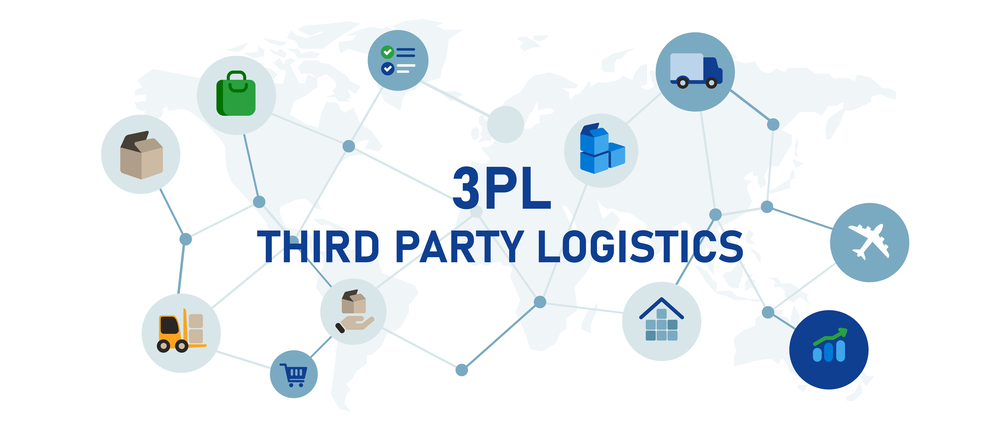
3PL logistics performance dashboards help businesses monitor shipping efficiency, delivery timelines, and supply chain costs. This article explains how real-time logistics visibility, performance analytics, and data-driven reporting improve customer satisfaction, inventory planning, and financial control while enabling companies to optimise delivery operations and support long-term supply chain growth.
Introduction
Third-party logistics dashboards are useful in tracking the performance of delivery to assist businesses in ensuring that their customer service remains reliable. The contemporary business relies on quick and precise shipping functions. When companies track logistics performance, they will be able to detect possible delays before they affect consumers. Delivery dashboards have real-time data of shipment status, transit time and rate of completion of orders. Organisations employing the use of performance monitoring usually enjoy greater customer confidence and better operational strategy.
The Role of Real-Time Logistics Visibility
Real-time visibility will enable companies to track the shipments as they move through the distribution channels. 3PL logistics services will offer tracking updates, which can be used by the company to respond rapidly to unplanned shipping delays. It is used to ensure that the customer service teams can give proper delivery estimates to their clients. Businesses that can view the movement of shipments in real time are able to minimise customer complaints about uncertainty in the delivery.
The internal business planning is also enhanced by logistics visibility. Depending on the delivery information, companies can modify marketing promotions or restocking schedules of the inventory. Live information on transportation is useful in ensuring that businesses do not promise timelines of shipments that are unrealistic. Better visibility eventually guarantees better control of operations in the activities of the supply chain.
Cost Management and Financial Planning
Monitoring delivery performance assists companies in managing the cost of shipping. The cost of transportation usually consumes a huge part of operational expenses. Performance dashboards indicate the routes of shipping or fulfilment centres that bring the greatest costs. This information can be used by businesses to negotiate with logistics providers for better prices.
Companies that know the shipping cost patterns can find financial planning easier. Companies are able to establish areas of inefficient delivery that heighten the costs of transportation. Monitoring of cost also assists companies in selecting cheaper packaging and means of transportation. Logistics expenses are managed with the help of proper performance reporting, which leads to long-term financial stability.
Customer Satisfaction and Service Quality
When businesses have good schedules of corresponding delivery, customer satisfaction is enhanced. The customers want instant and dependable delivery. 3PL performance measurement assists companies in quantifying service quality measurements, such as on-time delivery rates and order accuracy rates. Good service quality promotes repeat buying as well as brand loyalty.
Performance dashboards are valuable to the customer support teams since they enable them to give correct shipping information. Customers like to see the truth about delivery rather than be ambivalent about their estimates. Trustworthy logistics operations lower the frustration among customers and enhance the overall brand image. Digital performance monitoring tools enable companies to monitor the quality of services they provide.
Inventory Planning and Demand Management
When there is access to delivery data to analyse, inventory management will be more effective. Companies are able to research the trends in shipping to know the trends in demand for products. The performance dashboards can assist the companies in estimating future inventory needs on the basis of the data regarding the speed of delivery and the volume of orders.
Demand management also enhances organisation in the warehouse. The excess storage expenses can be reduced through aligning the inventory with the actual sales pattern. Last mile delivery performance data assists firms to anticipate demand fluctuations that occur seasonally. The improved inventory planning will eliminate shortages of products and enhance the rate of customer order fulfilment.
Business Growth and Operational Expansion
Performance tracking of deliveries supports growth strategies of the business. Companies that venture into new markets need to have uniform shipping standards. Performance dashboards assist companies in checking the logistics preparedness prior to launching into new markets. Shipping performance gives more reliable market expansion opportunities.
The companies are in a position to know the limitations in transportation, thus making it easy to expand their operations. Companies can determine whether existing 3PLs can facilitate future business ambitions. The performance analytics can also assist companies in determining the places where the company may require more logistical resources. When the logistics performance is evaluated on a regular basis, growth planning becomes more precise.
Technology Integration and Data-Driven Decisions
The use of technology enhances the efficiency of logistics management. Currently, there are analytics tools that are used in decision-making in business via the 3PL dashboard. To enhance future planning, companies are able to use previous shipping performance information to plan. Supply chain operations make use of data-driven decisions to minimise guesswork.
Digital analytics tools are also useful in assisting businesses in automating reporting. Managers do not need to collect transportation data manually in order to review logistics reports. Automation conserves time and eliminates reporting errors. The overall supply chain intelligence is enabled by technology integration.
Conclusion
The use of 3PL dashboards to track the performance of the delivery is also beneficial in the long-term operational processes. Companies can enhance the quality of customer service, cut the costs of transportation, and increase the reliability of their supply chains. Monitoring the performance facilitates smarter financial planning and the improvement of inventory. Firms that make investments in logistics analytics solutions tend to have a better competitive position.
Uninterrupted delivery processes build better business images in competitive markets. The performance dashboards allow the business to sustain the quality of the services provided, as well as enabling the business to achieve future growth objectives. Monitoring the logistics is another critical success tool of contemporary supply chain management.
Enjoyed this article? Add People Development Magazine as a preferred source on Google:
