

Most productivity advice focuses on habits, routines, and mindset. That is useful, but it misses a practical dimension that has become increasingly relevant in 2026. Physical tools people wear while they work now play an important role. Wearable technology has moved well beyond fitness trackers and smartwatches. The category now includes devices that monitor cognitive load, reduce environmental distractions, manage notifications, and capture information hands-free. They do this without requiring the wearer to stop working. The average focused work session lasted just 13 minutes and 7 seconds in 2025. That was down 9% from 2023. Meanwhile, 79% of US workers report becoming distracted within one hour of starting a task. For professionals seeking greater focus and higher-quality work, wearable technology offers practical solutions. These tools address distractions while people are working, not just before or after the task.
Use Smart Glasses to Capture Information Without Breaking Focus
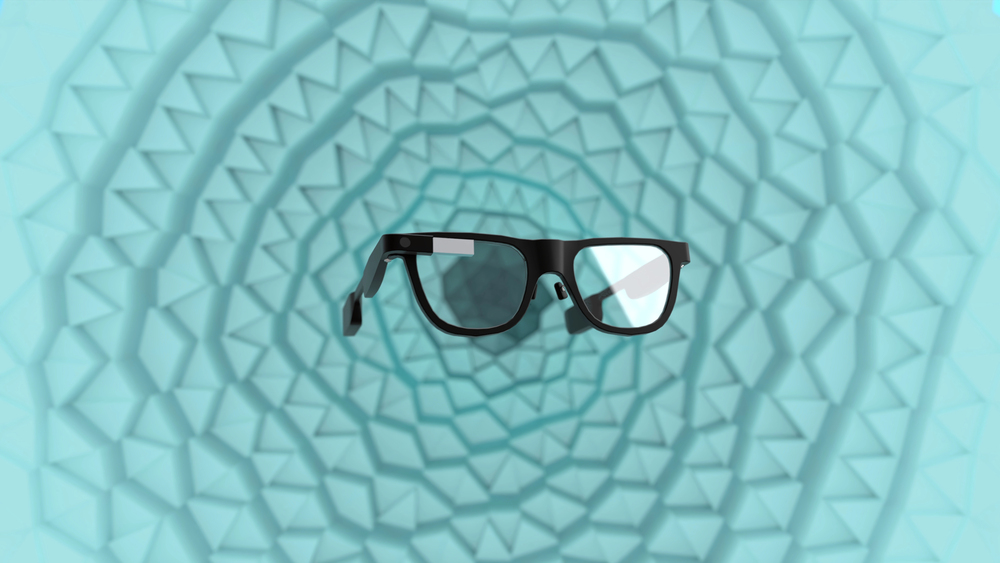
One of the most consistent focus killers in knowledge work occurs when something needs recording. The act of recording it pulls attention away from the task at hand. Stopping to type a note, photograph something, or dictate a voice memo creates a context switch. Recovering from that switch takes longer than the interruption itself. Research by Gloria Mark at the University of California, Irvine, found it takes an average of 23 minutes and 15 seconds. That is the average time needed to fully regain deep focus after a single disruption. Even briefly reaching for a phone to capture something carries a cost beyond the seconds involved. Smart glasses with a built-in camera address this problem directly through hands-free capture. They record whatever the wearer is looking at, including a whiteboard, physical prototype, or site visit.
This is what current smart eyewear like meta glasses actually does in practice, capturing what the wearer is focused on through a camera and audio system built into frames that look no different from a regular pair of glasses. The result is a device that records what you are paying attention to without asking you to redirect that attention toward the act of recording. For professionals who move between digital and physical work environments across a single day, this kind of hands-free capture removes a friction point that compounds significantly over a full working week.
Manage Notifications Through Wearables Rather Than Screens
Notifications are one of the most well-documented sources of workplace distraction. The problem is not only the interruption itself but also the recovery time afterwards. Microsoft’s 2025 Work Trend Index found employees receive a notification every two minutes during core work hours. These come from meetings, emails, or chat tools. That adds up to 275 separate interruptions during a full working day. UC Irvine research shows returning to a complex task takes significant time. This makes sustained deep focus mathematically difficult during a standard working day.
Smartwatches and smart glasses display notification previews in a quick, glanceable format. They provide enough information to decide whether something needs immediate attention. This avoids the full context switch triggered by a phone or desktop notification. The key is using the wearable as a filter, not another notification channel. Show only high-priority alerts while silencing everything else on other devices. The glasses or watch then becomes the single point of contact for interruptions. They also keep those interruptions deliberately limited. Professionals using wearable notification filters consistently report longer uninterrupted focus periods. This compares with people managing notifications across multiple devices at the same time.
Track Cognitive Load and Energy Levels With Biometric Wearables
Productivity is not constant throughout the working day, and most people have a general sense of when they work best. Biometric wearables make that intuition more precise. Devices that track heart rate variability, stress indicators, and recovery scores provide a data-based picture of cognitive performance. They show when cognitive resources are at their peak and when they are depleted. This allows people to schedule demanding tasks more deliberately.
Research confirms that multitaskers make up to 50% more errors than those maintaining focus on a single task, and that interruptions as brief as five seconds can triple error rates in complex cognitive work, which makes the timing of high-stakes tasks considerably more important than most professionals treat it. Placing the work that requires the most concentration in the window when biometric data shows the highest cognitive readiness, and scheduling meetings, emails, and administrative tasks for lower-energy periods, produces better outcomes than treating all hours of the working day as equivalent. Over time, consistent biometric tracking tends to reveal patterns that are specific to the individual and more reliable than general advice about morning productivity or afternoon slumps.
Use Wearable Audio to Control Your Sound Environment
The acoustic environment has a significant effect on the quality of focused work. Most offices and home workspaces are not optimised for concentration. A survey of around 700 office workers found 26% regularly struggled to focus because of workplace noise. Employees also lose more than seven hours each week to different kinds of interruptions. Open-plan offices, household noise, and shared spaces all compete with the sustained attention that demanding work requires.
Wearables with active noise cancellation give users direct control over their sound environment. They do this without requiring a dedicated quiet room or ideal working conditions. A more effective approach is selective sound management rather than complete noise cancellation. Transparency modes allow important sounds through while reducing background noise. Specific types of audio may also support focus better than silence or unpredictable background noise. The device itself is less important than how it is used. Wearable audio used without a clear strategy often delivers fewer benefits. The same device is more effective when used intentionally for the type of work being done.
Integrate Wearable Data Into How You Plan and Review Your Work
The most underused feature of most productivity wearables is the data they collect over time. Activity logs, focus session records, sleep quality scores, and stress pattern data are available through most current wearable platforms, but the majority of wearers check them occasionally rather than using them as an active input into how they plan their weeks. Focus efficiency across the workforce fell to a three-year low of 60% in 2025 despite AI adoption reaching 80% of employees, which suggests that having more tools available does not automatically translate into better focus without deliberate decisions about how those tools are used.
The professionals getting the most out of wearable technology for productivity tend to treat the data as a weekly review tool: looking at which days and which conditions produced the most focused work, which types of tasks correlated with the highest stress readings, and whether sleep quality from the night before had a measurable effect on the following day’s output. That kind of pattern recognition, applied consistently over several weeks, produces a genuinely personalised picture of how a specific person works best rather than a generic framework borrowed from someone else’s productivity system.
Conclusion
The five tips above share a common logic: wearable technology is most useful for focus and productivity when it is used deliberately rather than passively. A smart glasses setup that captures information without breaking concentration, a notification filter that reduces interruptions to a manageable trickle, a biometric tracker that informs scheduling decisions, a sound environment managed through wearable audio, and a data review habit that feeds back into planning: each of these addresses a specific and well-documented barrier to focused work. None of them requires a significant change to how a professional works. They require choosing the right device for the right problem and using it with a clear intention rather than treating it as another gadget running in the background.
Enjoyed this article? Add People Development Magazine as a preferred source on Google:
