



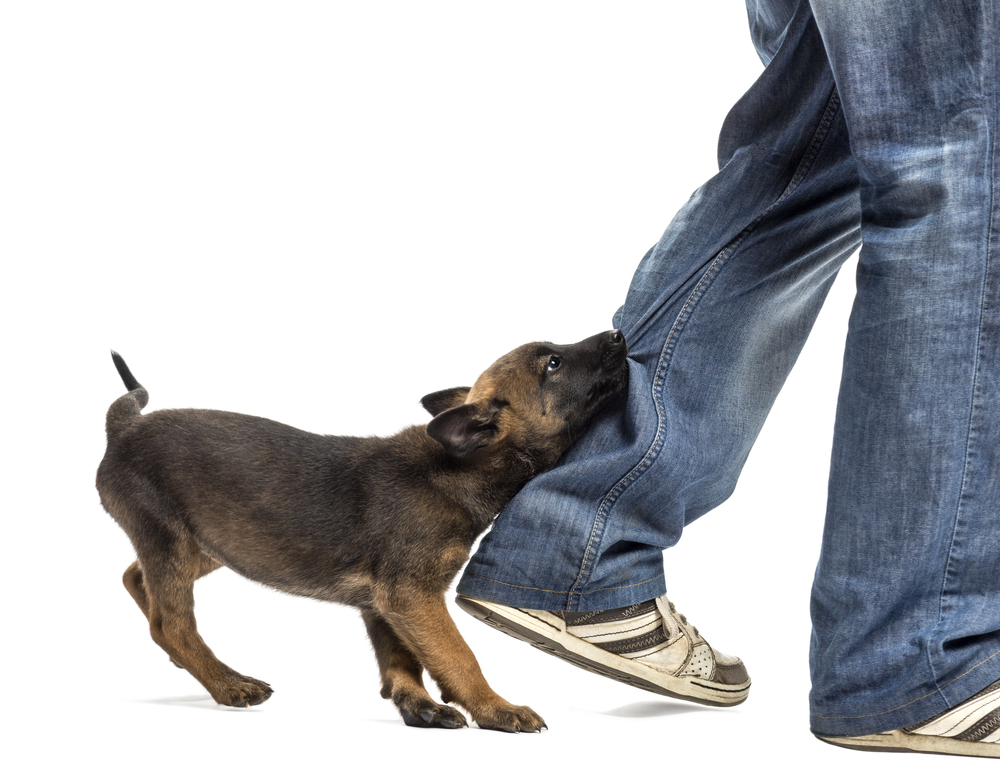
Texas law assigns dog owners clear responsibilities when their animals pose a foreseeable risk to others, but proving liability after a bite requires more than establishing that an attack occurred. Across Texas communities, people interact with dogs at homes, workplaces, apartment complexes, and public spaces every day, making questions about control, warning, and reasonable care especially important after an unexpected attack. The circumstances surrounding the encounter can reveal whether an owner had reason to anticipate danger or failed to take practical precautions. Building that picture requires attention to the setting, the relationship between the victim and the animal, and what happened immediately before the injury.
For victims facing medical treatment, lost income, or lasting physical and emotional effects, understanding how these facts fit together can make a significant difference. A Texas Law Dog Fort Worth dog bite attorney can help examine the circumstances and determine what evidence may support accountability.
Owner Knowledge Matters
Injury lawyers often examine what the owner knew before the bite. Prior snapping, lunging, growling, escapes, or complaints may indicate a need for notice. Neighbours, delivery workers, postal carriers, and animal control officials may confirm earlier problems. One report may help, but several consistent accounts create a stronger pattern of known risk.
Negligence Can Prove Fault
A known bite history is not always required. Negligence looks at careless choices before the injury occurred. An owner may leave a gate unlatched, ignore leash laws, or allow a dog to approach visitors without restraint. The central question is practical: would a careful person have handled the animal differently?
Control Shows Responsibility
A claim should identify who owned, housed, watched, or managed the dog. Veterinary records, license tags, lease papers, photos, text messages, or statements from neighbors can help. Sometimes a sitter, property owner, or business also played a role. Responsibility often follows the person with authority to prevent contact at that moment.
Scene Evidence Helps
The location often explains why the attack occurred. Photos can show broken fencing, open gates, missing warning signs, torn screens, or poor lighting. Video from homes, stores, parked vehicles, and doorbells may capture movement before contact. Quick preservation requests matter because many systems delete footage on a short cycle.
Medical Records Connect Harm
Medical documentation connects the bite to physical loss. Emergency notes, wound measurements, infection treatment, antibiotic use, rabies concerns, surgical consults, and scar care records all matter. Follow-up visits may reveal nerve irritation, reduced grip strength, stiffness, or hypersensitivity. Bills help measure cost, while clinical notes explain pain and healing limits.
Witnesses Add Context
Neutral witnesses can give a claim weight that family statements may lack. A neighbour may describe repeated escapes. A delivery driver may remember prior lunging. A bystander may confirm that the injured person did not provoke contact. Useful statements include names, dates, locations, and direct observations, rather than guesses.
Animal Control Reports
Animal control records can confirm ownership, address, vaccination status, quarantine details, and earlier complaints. These files may also identify the dog by breed, colour, size, or tag number. Prior calls involving the same animal can support notice. Official records often help when an owner later changes the account.
Defenses Must Be Answered
Owners and insurers may claim provocation, trespass, or shared fault. Good proof answers those arguments early. Delivery logs, invitations, lease rights, work orders, and location photos may show lawful presence. Medical timing can support the injured person’s account. Consistent statements also reduce blame shifting during settlement talks.
Damages Need Support
A full claim includes more than emergency charges. Lost income, reduced work capacity, travel costs, scar treatment, anxiety, sleep disruption, and future care may count. A daily journal can record wound drainage, dressing changes, fear around animals, and activity limits. Payroll records help connect missed shifts to recovery.
Deadlines Affect Recovery
Texas personal injury claims usually carry a two-year filing deadline. Delay can weaken proof, even when the injury is serious. Special timing rules may apply when minors, government property, or unusual notice issues are involved. Every bill, letter, report, photo, and message should stay in one organised file.
Settlement Requires Proof
Insurers usually assess dog bite claims based on documentation. A strong demand package explains fault, medical harm, expenses, missed work, and future needs. Organised records make the story easier to verify. If settlement talks fail, the same material helps prepare pleadings, discovery responses, and trial testimony with fewer gaps.
Conclusion
Dog bite victims prove full legal responsibility by building a record that fits the facts. Witness accounts, animal control files, medical records, photos, owner history, and wage documents each answer a different question. Together, they show preventable danger, real injury, and measurable loss. With timely action and careful documentation, an injured person can present a stronger claim for fair recovery.
Enjoyed this article? Add People Development Magazine as a preferred source on Google:
