


Overview
Network on chip architecture improves communication inside modern multicore processors by replacing traditional shared bus systems with scalable, packet-based interconnects. This approach reduces congestion, improves simultaneous data transfer, lowers latency, and increases reliability under demanding workloads such as AI, video processing, and high-performance computing applications.
Introduction
Inside today’s processors, movement of information among core components shapes overall function. With chips growing denser, internal signalling paths now define operational speed. Older techniques fail under expanded workloads, resulting in slowdowns, blockages, and traffic pileups. Such shortcomings push innovation toward organised interaction models capable of managing heavier loads. A system known as a network on chip appears suited to this role, forming orderly pathways across silicon landscapes.
Traffic Jams in Multi-Core Computers
With each added core on a processor die, traffic volume grows sharply. When synchronisation fails, signals contend for common channels – delaying system response times. Such delays often result in imbalanced task handling across units. Older layouts frequently miss organised paths, complicating accurate movement forecasts. Improved frameworks address this by enabling smoother information transfer through deliberate inter-core links.
Limits of Bus-Based Communication
Communication among parts in older chips commonly moves through one central pathway. Though adequate at first, this method slows down when tasks multiply. Too many requests arriving at once clog the route, reducing speed. Performance drops further if additional processors join, increasing competition for access. Scalability suffers under such strain. Better methods emerge when pathways spread out, structured to manage heavier loads across separate lanes.
Communication Using Packets
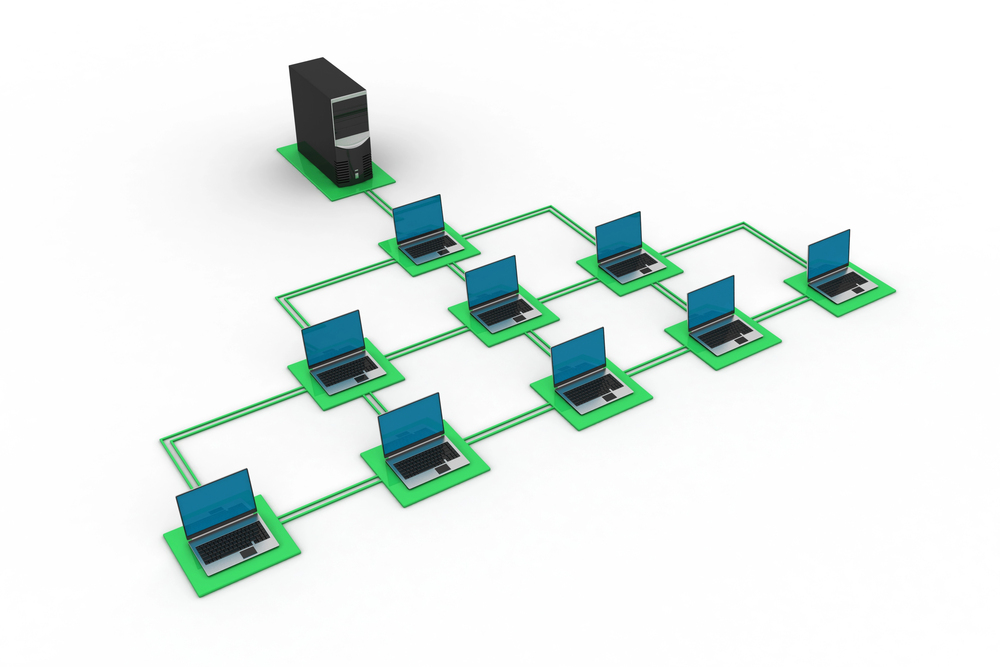
Instead of relying on shared pathways, today’s chips often use a mesh-style layout where small links connect different parts. Packets carry pieces of data along fixed routes, moving at the same time without blocking one another. Because signals travel separately, delays drop while timing becomes more consistent. Across various devices, NoC interconnect ensures processors exchange messages without slowdowns. With flow managed in such an order, expansion grows easier and resources spread more evenly.
Enhancing Simultaneous Data Transfer
What stands out about this design is how it handles simultaneous data movement across several cores. Rather than relying on step-by-step exchanges, chips organised as networks let separate flows proceed without interference. Because of this, more information gets processed while delays drop noticeably. When demands grow heavier – seen clearly in AI and video handling – the speed of data transit matters greatly. Performance stays steady during intense computing loads due to this layout.
Reducing Delays And Improving Data Flow
One key aim in today’s chip development involves cutting down signal delay. Through smarter path selection, network on chip limits extra node jumps that slow movement. Following predefined lanes, each message moves more quickly, easing wait periods. Instead of leaning on one common pathway, spread connections make better use of available throughput. By spreading demand, the structure prevents pileups, enabling steadier operation over time.
Reliability And System Balance
Not only does a network on a chip boost speed, but it also strengthens how reliably signals move across systems. When congestion appears along a route, traffic shifts to another way instead. Such adaptability lessens the chances of widespread delays while increasing resistance to disruptions. Another benefit emerges in spreading workloads more evenly, preventing any one area from slowing everything down repeatedly. With stability paired with endurance, the method lays the groundwork for future chips needing steady internal links.
Conclusion
Network on Chip architectures provide a structured and scalable solution to the communication challenges that arise in modern multicore processors. As chip designs continue to increase in complexity, traditional bus-based systems struggle to handle simultaneous data transfers efficiently, leading to congestion and performance limitations. NoC addresses these issues by replacing shared communication paths with organised, distributed interconnects that allow parallel data movement across the chip.
Based on communication and defined routing paths, NoC reduces delays and improves overall data flow consistency. This structure ensures that multiple cores can operate at the same time without constantly competing for a single communication channel, which significantly improves throughput under heavy workloads. As a result, systems maintain more stable performance even when processing demands fluctuate.
