



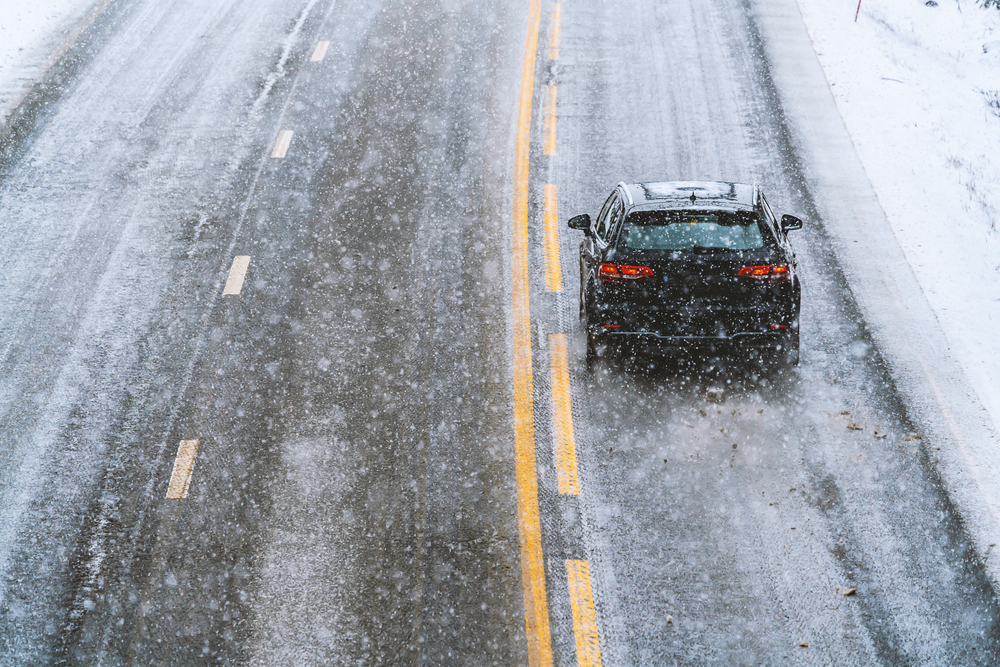
A storm does not erase a driver’s duty to stay careful on the road. Rain, fog, snow, and strong winds can create dangerous conditions. However, drivers are still expected to adjust their actions according to the environment around them. A road covered with water or reduced visibility can turn a simple drive into a serious accident. This is especially true if proper care is not taken.
Many of the causes of weather-related collisions involve decisions made behind the wheel, including driving too fast for conditions or failing to maintain a safe distance. However, understanding how responsibility is examined in these accidents can make the situation much easier to understand.
Examples of Weather-Related Accidents and Driver Responsibility
Weather-related crashes happen in many different ways, and bad weather alone does not automatically mean that nobody is responsible. In these cases, investigators and insurance companies may look at whether a driver acted reasonably based on the road and weather conditions.
A driver who continues to travel at a high speed during heavy rain may lose control of the vehicle and collide with another car. The rain may have contributed to the accident. However, the decision to ignore safer driving practices can also become an important factor.
Another example involves dense fog that reduces a driver’s ability to see the road ahead. If a driver fails to reduce speed or uses unsafe driving techniques despite poor visibility, their actions may be reviewed when determining responsibility.
Snow and ice can create slippery roads that make stopping difficult. A driver who follows another vehicle too closely may not have enough time to brake safely, resulting in a rear-end collision. These situations show that weather conditions and driver choices can work together to cause an accident.
Different Conditions That May Affect Responsibility
Several conditions can influence how responsibility is considered after a weather-related collision. Every accident has its own details, and multiple factors may be reviewed before reaching any conclusions.
Some conditions that may be considered include:
- The speed of the vehicles compared to the weather conditions.
- The distance maintained between vehicles during poor road conditions.
- The use of headlights, windshield wipers, and other safety equipment.
- Road visibility is affected by rain, fog, smoke, or storms.
- The condition of the vehicle, including tyres and brakes.
- Whether a driver was paying attention to changing road conditions.
These details can provide a better understanding of how a crash occurred and whether a driver’s actions played a role in the accident.
What Should Be Done After a Weather-Related Accident?
The actions taken after a weather-related collision can be important for documenting what occurred. Contacting emergency services, obtaining a police report if required, and collecting available information from the accident scene can help preserve important details.
Photographs of vehicle damage, road conditions, weather conditions, and visible hazards may provide useful information during insurance claim reviews. In addition, witness statements and records of the accident can also help create a clearer picture of the events surrounding the collision.
It is also important to keep records of repairs, medical treatment, and communication with insurance companies. Organised documentation can help address questions that may arise during the claims process.
Factors That Can Make Weather-Related Accident Cases More Complex
Weather-related accidents are not always straightforward because there can be multiple reasons behind a collision. The causes of weather-related collisions may involve a combination of poor weather, driver decisions, road conditions, vehicle problems, or other circumstances that require careful examination.
A sudden storm may make roads dangerous. However, investigators may still examine whether drivers adjusted their speed, maintained proper control, and followed safe driving practices. Evidence from the accident scene, vehicle reports, and witness observations may all contribute to understanding how the collision happened.
Looking Beyond the Weather After a Collision
Bad weather can create dangerous roads, but it does not automatically remove responsibility from every driver involved in an accident. The circumstances of each crash depend on many details, including the driver’s behaviour, the condition of the vehicle, the surrounding environment, and the available evidence.
A careful review of the facts helps create a clearer understanding of why a weather-related collision happened. Paying attention to road conditions, driving responsibly, and preserving important information after an accident can play an important role in addressing the challenges that follow a serious crash.
Enjoyed this article? Add People Development Magazine as a preferred source on Google:
