



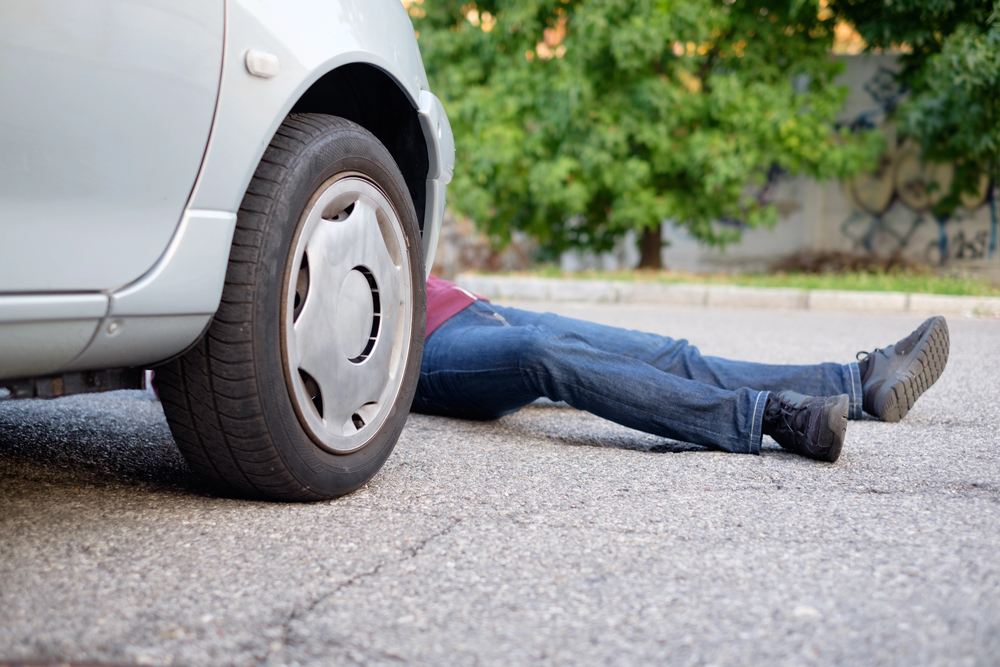
A pedestrian accident leaves very little time to think clearly or plan your next move. Still, the photos you take in those first minutes can shape how the claim unfolds. Adjusters often rely on pictures to judge fault and the seriousness of an injury. A pedestrian wondering which photos matter after a crash gets a clear answer from Salamati Law Firm. Knowing what to photograph can protect your claim before memories fade and evidence disappears. Here are the shots worth taking, as long as you can do so safely.
Start With Safety Before Taking Photos
Your health and safety always come before any picture, so move away from traffic first. Call 911 if anyone is hurt and accept medical help even if you feel fine. Adrenaline can hide pain, and some injuries only show up hours or days later. Once you are stable, gathering documentation from the crash scene becomes the next priority. Ask a bystander to help if your injuries make it hard to use your phone. If you cannot take photos yourself, a trusted friend can visit the scene soon after.
Capture the Vehicle and License Plate
The pedestrian first steps back and snaps one wide photo of the car sitting where it stopped. Then move closer and photograph the license plate so the driver can be identified. Take pictures of every side of the car, including any dents, cracks, or scrapes. Damage patterns can help experts understand the speed and angle of the impact. Photograph the driver’s insurance card and registration if they are willing to share it. Do not argue at the scene, and avoid admitting fault or guessing about what happened.
Photograph Injuries and Damaged Belongings
Take clear photos of every visible injury, including cuts, bruises, swelling, and scrapes. Add a close shot and a wider shot so each location is obvious. Keep taking photos over the following days, since bruising often changes color and spreads. Photograph torn clothing, broken glasses, a cracked phone, and any bag that was damaged. Those items show the force of the collision in a way words alone cannot. Keep the damaged items themselves, and do not repair or throw anything away yet.
Document the Crosswalk, Signs, and Signals
Once steady on both feet, the pedestrian photographs the crosswalk at the exact location of the crash. Include traffic signals, stop signs, speed limit signs, and any warning signs nearby. These details can show whether the driver had a clear duty to yield or stop. Photograph skid marks, debris, broken glass, and fluid stains before traffic or rain erases them. Take one photo from the spot where the collision happened to show the driver’s view. A shot from the corner of the intersection can show how the roads connect.
Record Lighting, Weather, and Visibility
Conditions at the time of the crash can matter as much as the damage. Photograph the lighting, since dark streets or glare can affect what a driver saw. Note whether streetlights were working and whether trees or parked cars blocked the view. If it was raining, foggy, or icy, capture the wet roads and reduced visibility. Jot down the exact time as well, since lighting and traffic change quickly. A short video panning across the scene can add helpful context to your still photos.
Note Cameras and Witness Details
Look around for security, doorbell, and traffic cameras that may have recorded the crash. Photograph each camera and the business or home it belongs to, then ask about footage. If the pedestrian waits too long, the store’s camera has already recorded over the crash footage. Ask witnesses for their names and phone numbers before they leave the scene. Save the police report number, the officer’s name, and a photo of any business card. Independent accounts and recordings usually carry more weight than one person’s memory of events.
Protect and Back Up Your Photos
Save every photo in its original form, and avoid editing, cropping, or adding filters. Copy the files to a cloud account or computer the same day for safekeeping. Phones get lost, cracked, and replaced, and your proof should not disappear with them. Stay off social media, since a casual post can be used against your claim. Keep a simple log of dates, medical visits, missed work, and symptoms as they develop. Share the complete set of photos with your attorney instead of choosing only favorites.
Nobody plans to get hit while walking, so go easy on yourself. Even a few blurry photos taken from the sidewalk are better than none at all. What matters most is that you get checked out and keep what you’ve already captured. If you’re feeling overwhelmed, hand the phone to someone you trust and let them help. Tomorrow, take a breath, back up everything, and write down anything you remember. Then call a lawyer who’ll listen, so the next steps don’t fall on you alone.
Enjoyed this article? Add People Development Magazine as a preferred source on Google:
