

Years ago, I found my ten-year-old son, Dan, in a depth of distress I had never seen in him, one he couldn’t put into words.
Dan had always loved school. He used to count down the days until the holidays ended. But that year he had stopped wanting to go, and, like any mother, I gently coaxed him and, at times, pushed him. His flat refusal told me this was far beyond ordinary reluctance. Alarmed, I took him straight to the GP. Dan told the doctor he hated school and couldn’t say why. He was only happy at home. The GP suggested I start a dialogue with his teachers.
The Book
What I found astounded me. Dan was a spirited lad, the class clown, prone to shouting out answers when he should have raised his hand. Inappropriate in class? Yes. A bad child? No. But without my knowledge, the school kept a book he had to carry from lesson to lesson. Whenever he did anything wrong, the teacher would make an entry and sign it. Every evening, he had to present the book to the Head Teacher, who would read him the riot act for the day’s misdemeanours. One entry recorded that his crime was digging up a worm in the school garden.
Every day, my ten-year-old was being formally told he was a bad person. And he believed it.
Changing The Story
With a letter to the local education authority as reinforcement, I persuaded the Head to call in an educational psychologist, who was equally appalled and made one simple change. The book would now record the good things Dan did each day. His teachers signed it, and he would take it to the Head for praise.
The results were transformational. Within a week, Dan had regained his enthusiasm for school. Over the weeks and months, his confidence returned, and he came home with certificates acknowledging his achievements. Credit to the Head Teacher for being open: she agreed that praise and positive reinforcement had achieved what her “discipline” never could.
Nothing about Dan had improved. No skills had been acquired; no behaviour programme had been completed. The only thing that changed was the story being told about him.
We All Carry a Book
And so it is for many of us. We each carry a book of good and bad deeds, and every day we sign it, strengthening it with our beliefs, experiences and encounters. Many of us who have carried a less-than-positive book set out to become better people. What we have inadvertently done is sign the negative entries in our own book and read ourselves the riot act, often and emphatically.
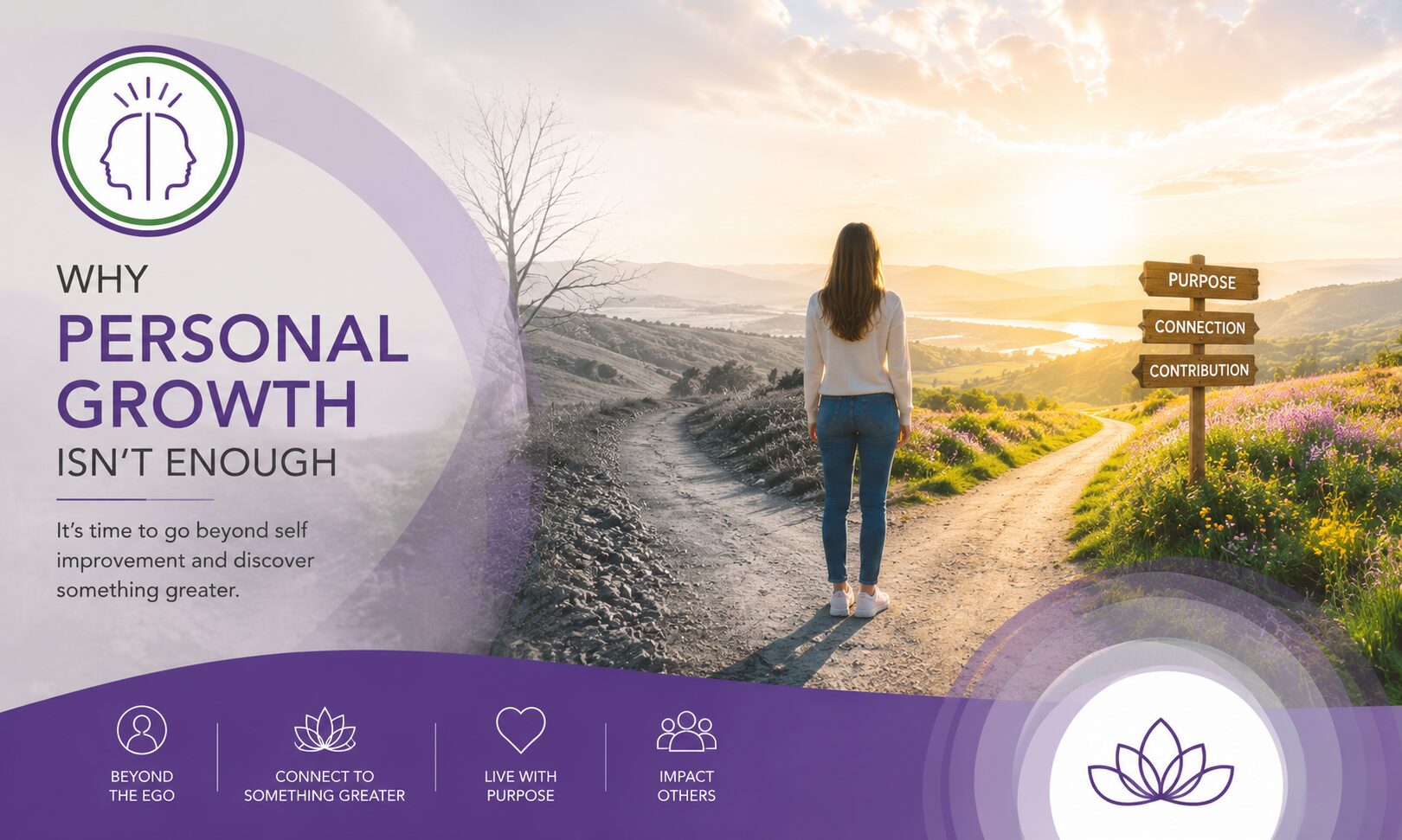
This is why I’ve come to distrust the phrase “becoming a better person”, even though the desire behind it is sincere. Billions are spent every year on self-improvement courses, books and programmes, and much of it is good. But wanting to become a better person starts us off on the wrong foot because it quietly assumes there is something wrong with us that needs fixing.
When I hear someone say they want to become a better person, I understand what they really mean: they want to like themselves better. Look at the starting point of this goal: I don’t like myself. I judge myself negatively. I’m not good enough as I am. I need to live up to other people’s expectations.
The whole premise puts us in the wrong paradigm, and everything we do afterwards filters through it. So we do more, change more and achieve more, and never feel any different about ourselves. We cannot sign our way out of a book designed to record our faults. The only way to achieve lasting, meaningful change is to change the book.
The Labels Begin in Childhood
It usually begins in childhood, as it did for Dan. Most “naughty” behaviour in children stems from confusion and feelings they can’t yet identify or manage. Yet the common response is a label: you are naughty. Most children accept the label as the truth, internalising the belief that something is wrong with them at the core.
I watched this happen when my three-year-old grandson’s baby sister arrived. He wasn’t aware he was acting up whenever anyone cooed over her. He wasn’t a bad boy. On the contrary, he was unusually well-behaved for a toddler. His whole world had changed, and he lacked the understanding to cope with his feelings. Rather than reprimanding him, we stopped, reassured him that we knew he was a good boy who didn’t yet understand why he felt he had to do those things. The behaviour gets an entry; the child does not.
We Are Worthy of Love and Respect
I don’t believe we have to become better people to be worthy of love or respect. I believe that beneath all the fear, habits, old beliefs and ways of protecting ourselves, there is already something decent and loving in us.
That doesn’t mean we have nothing to learn or change. Of course we do. We all have habits we want to drop, reactions we want to understand and ways we would like to manage things differently. The difference lies in where we start. If we begin with I’m not OK yet, everything becomes about fixing ourselves. If we begin with I’m OK, and everyone else is too, mistakes become something we can learn from rather than proof that there is something wrong with us.
Much of the rest of this series is about this process: understanding where our beliefs came from, noticing what our emotions are telling us, learning to forgive ourselves and becoming more comfortable with who we really are. It happens gradually. There is no need to sort it all out at once.
“We cannot sign our way out of a book that was designed to record our faults. The only way to achieve lasting, meaningful change is to change the book.”

Try This: The Second Book
Over the next few days, think about the book you are carrying. Since you already know the entries of your first book by heart, try keeping the second instead: each evening, write down two or three things that went in your favour that day. Not achievements, but evidence. The kindness you showed, the thing you managed, the moment you were patient when you didn’t have to be. Sign it. Read it back at the end of the week, and notice which book feels like the truth.
If becoming better isn’t the way, you might wonder who can show you what is, which teacher, which programme, which expert has the answer. That’s the next wrong turn, and the next article: Your Teachers Are Closer Than You Think.
Articles in The Journey
Living From Your Higher Self: The Journey to Your True Self; Introduction
- The Question That Changed My Life
- Why Personal Growth Isn’t Enough
- Your Teachers Are Closer Than You Think
- The Road Ahead: What to Expect When You Begin
- What’s Waiting on the Other Side? Discovering the Peace You Already Carry
Enjoyed this article? Add People Development Magazine as a preferred source on Google:
Enjoyed This? . This Essential Guide brings the whole framework together in one place, free to download.
