


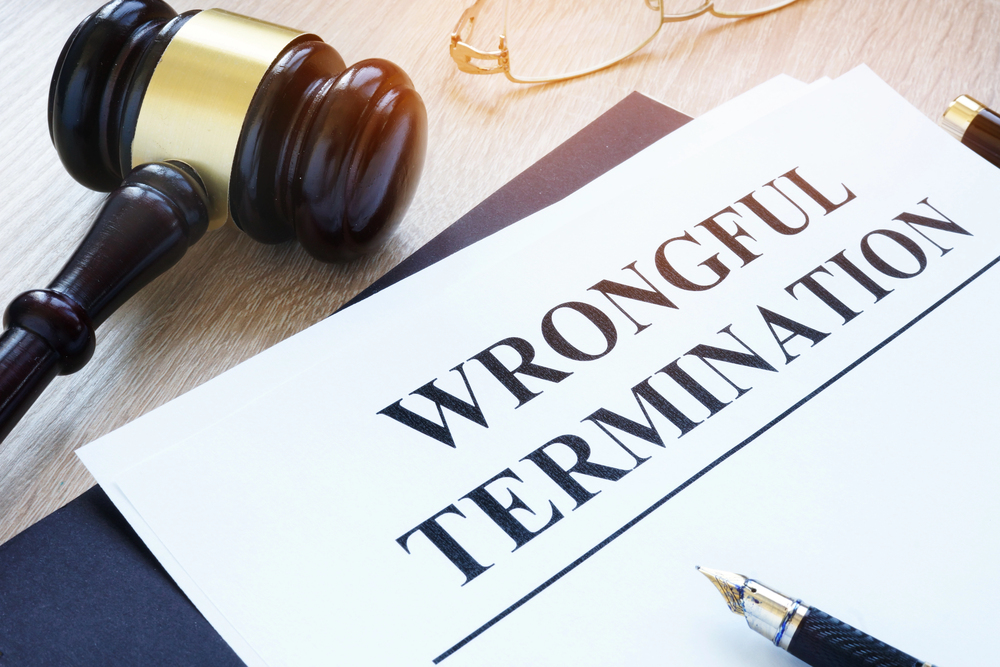
Terminating an employee is never easy, and the HR professionals making these decisions must understand the legal boundaries. While many dismissals may feel unfair to the employee, only specific situations qualify as wrongful termination under the law. Recognising when a termination crosses from unfortunate to illegal can help HR teams protect their organisations and guide employees who need legal counsel.
Recognising the Signs of a Wrongful Termination
Wrongful termination is a specific legal term that applies only when a termination violates state or federal law. An employee may have grounds for a claim if an employer fired them for an illegal reason, such as discrimination, retaliation or reporting unsafe workplace conditions.
Fired After Reporting Unsafe or Illegal Activity
Whistleblower protections shield employees who expose illegal or unsafe activities from retaliation. When an employer terminates an employee after such a report, it could constitute wrongful termination. For example, if an employer fired someone for reporting unsafe work practices, the employee can file a complaint with the Occupational Safety and Health Administration.
Termination Based on Discrimination
Federal law prohibits employers from firing workers based on protected characteristics, including race, colour, religion, sex, national origin, age and disability. If discrimination related to a disability motivated an employee’s termination, protections under the ADA may apply. Those who suspect discrimination can file a report with the Equal Employment Opportunity Commission.
Workplace Retaliation Claims
Retaliation occurs when an employer fires a worker or takes adverse action against them for participating in protected activity, such as filing a discrimination complaint or taking legally protected leave. An adverse action would dissuade a reasonable person from raising a concern about a possible violation.
What to Do Before Making the Call
If an employer wrongfully terminated someone, taking organised steps before contacting an attorney can strengthen that person’s position.
Gather Your Employment Records and Documentation
Employees should collect all relevant documents related to their employment and termination. Key materials include the termination letter, employment contract, offer letter, employee handbook, performance reviews and commendations. Emails, text messages and Slack or Teams messages that show a shift in treatment after a protected event could also support a claim.
Create a Timeline of Events
A detailed, chronological record of events can be an important tool in evaluating a potential claim. Writing down the exact sequence of events while memory is fresh helps establish the facts, with special focus on the timeline of complaints and the employer’s responses. Include specific dates, times, locations and names of witnesses, along with any inconsistencies in the reasons given for the termination.
Identify Your Protected Action
Employees should be ready to clearly state why they believe an employer illegally fired them. In most states, employment is at will, meaning an employer can terminate someone for no reason at all. However, employers cannot fire employees for illegal reasons.
The Value of Seeking Professional Legal Counsel
While documentation is an important first step, interpreting employment law requires specialised knowledge. Weisberg Cummings is an employment law firm in Harrisburg, Pennsylvania, that focuses on discrimination, employment claims, sexual harassment, work accidents, contracts and severance issues.
Weisberg Cummings offers a free consultation and operates on a contingency fee basis, meaning clients pay no up-front costs. With a proven track record of securing over $55 million in settlements and judgments for its clients, the team demonstrates its ability to achieve results. Client testimonials reflect Weisberg Cummings’ accessibility and communication throughout the legal process.
Unlawful Termination vs Unfair Dismissal
A firing that violates state or federal employment law, such as illegal discrimination or retaliation, qualifies as unlawful termination. Unfair dismissal means an employer terminated an employee without a valid reason or failed to follow a fair process. In at-will employment states, an employer can legally fire someone for reasons that feel unfair but are not illegal.
Frequently Asked Questions About the Legal Process
Employees often have questions about the practical aspects of pursuing a wrongful termination claim.
What does it cost to hire an employment lawyer?
Many employment law firms operate on a contingency fee basis and offer a free consultation. The attorney receives a percentage of any settlement or judgment recovered, so the employee does not pay unless the case is successful.
How long do you have to file a claim?
Time limits, known as statutes of limitations, vary depending on the type of claim and jurisdiction. For example, employees in Pennsylvania have 300 days to file gender discrimination claims with the EEOC. Contacting an attorney promptly is important.
What happens during a legal consultation?
A legal consultation is a confidential conversation where an attorney reviews the facts of the case and explores potential options. The employee shares their documentation and timeline, and the attorney assesses whether the termination might violate the law.
Protecting Your Career and Upholding Your Rights
Legal protections exist to prevent wrongful termination and hold employers accountable. Understanding your rights is the first step toward determining whether legal action might be appropriate. For employees who believe an employer fired them for an illegal reason, consulting with an experienced employment law attorney can provide clarity and direction.
Enjoyed this article? Add People Development Magazine as a preferred source on Google:
