
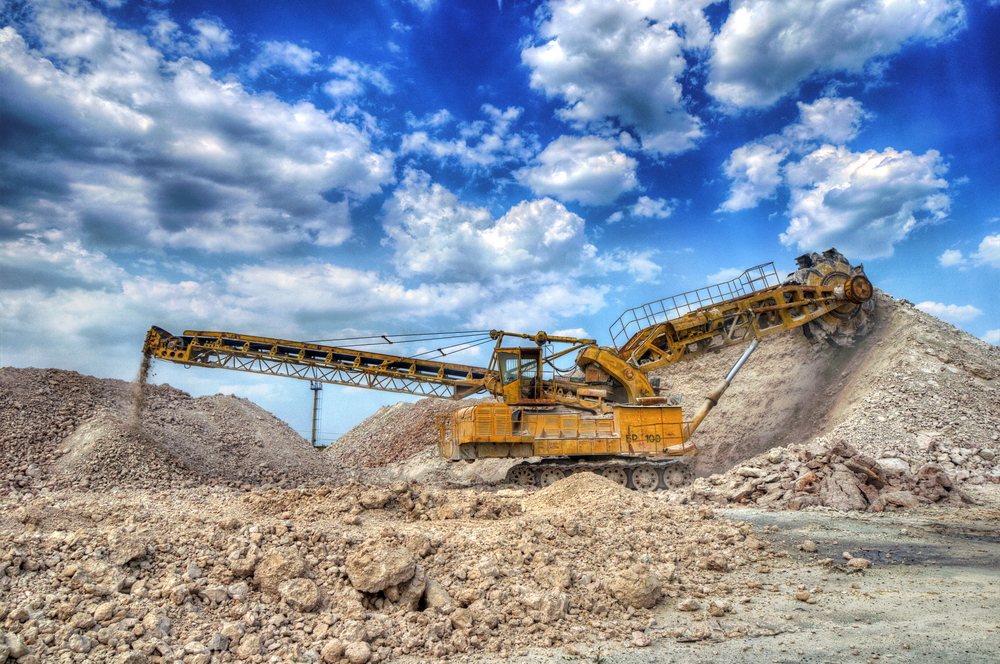
Success in the project, therefore, shall be based on how well one can manage one’s fleet of construction equipment to ensure maximum productivity while reining in costs. Not only does an efficiently managed fleet guarantee the smooth running of construction projects, but it also has a vital role in the life extension of plant equipment and machinery, in general, and enhances safety. Effective fleet management consists of various strategies related to scheduling, maintenance, and operational efficiency. Here’s a detailed guide on managing your fleet of construction equipment effectively.
Implement a Fleet Management System
At the heart of effectively managing equipment lies an investment in a proper fleet management system. Modern fleet management software provides a single platform with facilities for recording equipment location, usage, and maintenance schedules, among others. Look for real-time tracking, automated maintenance alerts, and robust reporting. It will make operations more streamlined and important in the process by providing insights into how equipment is performing, trends in usage, and any likely problems before they become major ones.
Establish and Build Solid Relations
This can therefore leverage a great deal on your fleet management strategy. Good equipment suppliers can help in making valuable decisions about performance, timely service, and competitive parts price or replacements.
Gather information from different suppliers about their products and after-sales service. Negotiate the best prices for purchasing, hiring, and buying parts. A trusted construction equipment supplier may also ensure that vital components and support are delivered quickly to keep your fleet in top shape, thus minimising your downtime.
Create an All-Encompassing Maintenance Plan
Equipment requires constant maintenance to be in good working condition and to prevent breakdowns. Generate a maintenance schedule that includes all of the tasks recommended by the manufacturer and, of course, based on its usage history. The schedule would show routine inspections, oil changes, filter replacements, and other services due.
Set up automatic reminders and alerts for the maintenance schedule through your fleet management system. Maintain a detailed record of all maintenance activities, including repairs and part replacements. This has helped in tracking equipment health and thus planning any future maintenance.
Always choose the oil that meets OEM standards for heavy machinery, such as TO-4, which is specifically designed for loaders, dozers, and tractors operating under extreme pressure.
Optimize Equipment Utilization
Effective fleet management involves ensuring that machinery is neither underutilised nor overutilised, thereby maximising utilisation. Utilise your fleet management software to track equipment utilisation and identify trends or inefficiencies in this area. For example, if some machinery sits idle most of the time, consider moving it to other projects where it will be utilised, or at least inquire about rental options.
Review your fleet regularly to ensure that you have the right mix of equipment to serve all of your projects. Assess the performance and utilisation of each machine against project requirements to identify whether adjustments or additions are needed. Proper sizing and fitting of equipment to tasks will have very positive implications for productivity and operational cost reduction.
Implement a Robust Equipment Tracking System
Construction fleet management requires knowing equipment location and usage. A GPS tracking system embedded in your fleet management software will help you in real-time to identify where exactly your equipment is located, how many hours it has worked, and whether it is in operation. All this information helps prevent theft, optimise equipment allocation, and make sure that the machines work efficiently.
Therefore, GPS tracking is relevant in monitoring equipment performance with emerging hitches. From the usage data obtained through this system, informed decisions can be made on equipment maintenance, replacement, and upgrade.
Train and Educate Operators
Your construction manager should be experienced and trained in equipment fleet. You can set out the responsibilities when recruiting a manager, such as in this construction site manager job description. Ensure equipment users are properly trained and educated for safe, efficient operation. Develop a comprehensive program of training for product operation, safety, and service-related procedures. Continue to update the training programs to include new technologies, safety regulations, and industry best practices.
Well-trained operators not only contribute to enhanced safety but also to better equipment performance and longevity. Continuing education and certification opportunities will keep your team skilled and knowledgeable in using the latest advancements in equipment technology.
Conclusion
Effective fleet management of construction equipment is crucial for maximising productivity, minimising costs, and ensuring project success. To successfully manage a fleet, you must maintain an up-to-date schedule, optimise equipment usage, and enhance efficiency. Properly train operators, monitor fuel consumption closely, and plan fleet replacement effectively. These actions ensure operational excellence, a key factor in achieving long-term success in construction projects.