Scaling a pharma business has tremendous potential. You can serve more customers, add more employees, and have more of an impact. But many firms tend to neglect one crucial element when they scale up, that is, storage infrastructure.
It is easy to get excited about new machinery or quicker procedures. But when storage catches up, the hazards add up quickly. You may notice spoilage, regulatory issues, or batches disappearing in jammed-up racks.
And so it’s best to dispose of difficult questions early. Is your storage actually ready to support more volume? Are your systems scalable without disaster? Let’s look at clear signs of trouble and upgrades that keep growth steady and safe.
Signs Your Storage Infrastructure Is Falling Behind
When your pharma unit starts showing early signs of strain, it’s important to notice them before they turn into daily headaches. These problems have a way of catching up to you, but they’ll damage your productivity and compliance if you don’t address them. Some of the most typical warning signs include:
- Storage is full to the brim: Pallets stack until you can’t even see what’s behind them.
- Aisles continue to narrow: Crews have to struggle to get through or load materials without displacing other stock.
- Tracking falls behind: Batch numbers become mixed up, and expiration dates are not necessarily checked.
- Workflows grind to a halt: Individuals spend time shuffling boxes just to get what they need.
If you see a few of these issues yourself, don’t expect them to add up before you do something. Addressing them at the early stages will save you money, time, and stress as your business progresses.
Storage Solutions to Support Pharma Growth
The following solutions have helped many pharma teams keep materials safe, organised, and ready for faster production during their scaling. You could also use some of these for your business if they fit your needs:
A. Hopper Bottom Grain Bins and Silos
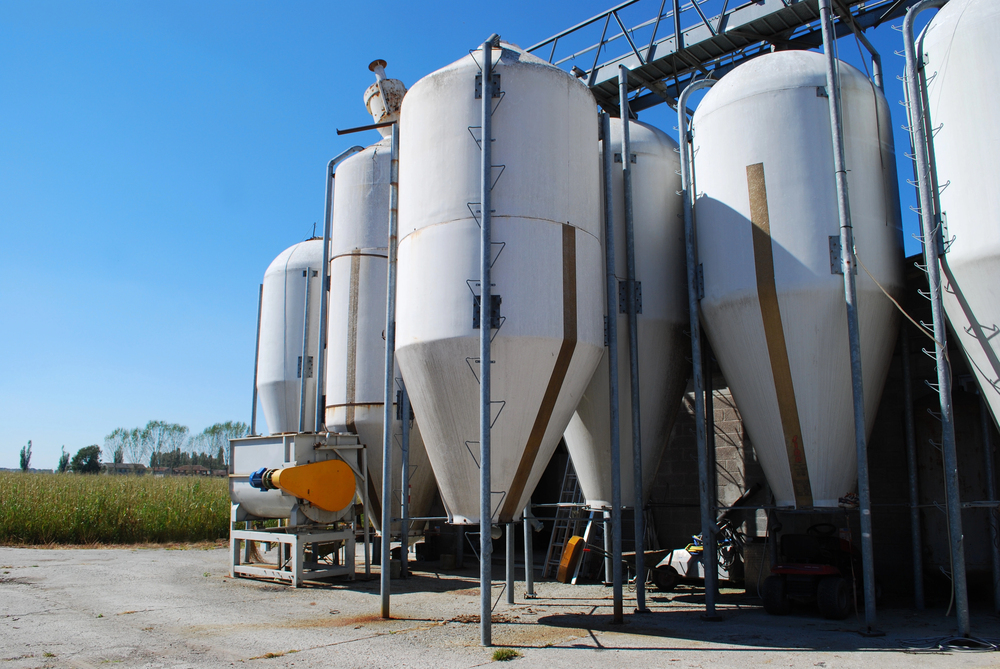
You’ve probably noticed hopper bins or a small grain bin sitting out on farms, filled with corn or soybeans. What many don’t realise is that they work just as well in a pharma setting.
A small grain bin keeps out moisture, pests, and dust. It holds materials like lactose, starch, or speciality powders until you’re ready to use them. You’ll find them in different sizes to match your storage needs. Some companies even connect them straight to processing lines so ingredients flow smoothly. Solutions like a hopper bottom feed bin save time, cut down on mess, and help you scale bulk storage in a safe, reliable way.
B. Modular Cold Storage Units
When you deal with temperature-sensitive products, scaling creates real challenges. Modular cold units make this easier. You can add extra compartments as your needs grow. Each section runs at a precise temperature range.
This flexibility lets you store vaccines, enzymes, or other sensitive goods without building a massive freezer from scratch. Modern units also track temperature in real time. Alerts warn you if conditions change. This helps protect inventory and meet compliance rules.
C. Vertical Storage Racking Systems
Floor space often vanishes first as production increases. Vertical racks solve this by using overhead space. They keep supplies off the ground, clear pathways, and make everything easier to see.
These systems improve stock rotation. Labels stay visible. Picking errors drop when items stay organised. Many companies find vertical racking the simplest way to expand capacity fast without costly construction.
D. Automated Inventory Management Systems
Manual tracking falls apart at higher volumes. Lot numbers and expiry dates slip through the cracks. Automated systems fix this. They scan products as they move through the facility. It means the details are updated in real time.
You can integrate these systems with ERP or compliance tools. They help you spot issues early and pass audits without stress. Teams save time while improving accuracy.
When you put the right systems in place early, you build a storage setup that grows with you instead of holding you back.
Planning Ahead for Future Expansion
Scaling never ends with one big upgrade. It pays to look ahead two or three years. Therefore, you must estimate how much space and technology you’ll need if orders double again.
With this anticipation, you can set budgets for phased improvements. You don’t have to overhaul everything at once. Start with cold storage or racks if they create the most strain. Leave room to add more bins or automation later. This way, you can grow without major disruptions.
Conclusion
Growth should feel exciting, not overwhelming. Strong storage systems protect your products and your reputation. They keep workflows smooth even as demand rises.
If you notice signs your storage can’t keep up, don’t wait. Small changes now prevent big problems later. Look into solutions like modular cold units, vertical racks, and a small grain bin to build a system that grows with you. A little planning today helps your pharma business scale with confidence tomorrow.