Overview
Performance management is shifting from outdated annual reviews to continuous, fair, and values-driven systems. Real-time feedback, employee development, and wellbeing now sit at the heart of modern performance management. Supported by technology and built on trust, these approaches boost engagement, loyalty, and long-term organisational success.
Introduction
Performance management systems are undergoing a major transformation. Traditional annual appraisals no longer meet the needs of modern workplaces where speed, fairness, and employee engagement are essential. Organisations are turning to continuous performance management, real-time feedback, and development-focused practices to create environments where employees thrive. This article examines the evolution of performance management and its significance for achieving long-term success.
The Evolution of Performance Management Systems
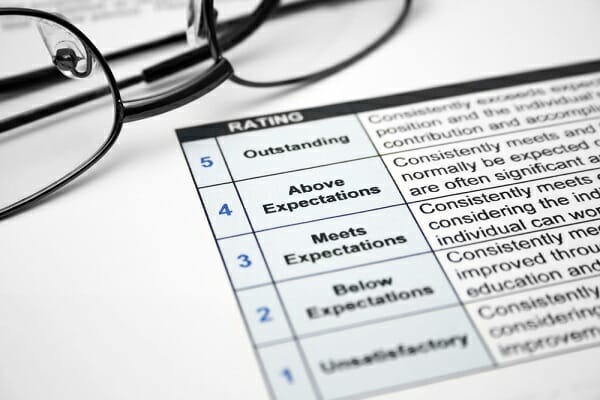
For decades, performance management relied on rigid annual reviews. These processes often became box-ticking exercises, focused more on compliance than employee development. As workplaces evolve, businesses are recognising that traditional reviews no longer motivate or retain talent. This shift has led to continuous performance management, supported by performance management software that enables
real-time feedback, fairer evaluations, and stronger alignment betweenindividual goals and organisational priorities.
Why Outdated Performance Reviews No Longer Motivate
Annual reviews often focus on past mistakes rather than future opportunities. They can feel punitive, leaving employees disengaged. Continuous performance management replaces these outdated systems with regular check-ins that support accountability, motivation, and growth. Organisations that modernise their approach improve trust and retention while boosting long-term performance.
Why Real-Time Feedback Matters
Real-time feedback is a cornerstone of continuous performance management. By addressing successes and challenges immediately, managers help employees adapt quickly. This builds agility, reinforces positive behaviours, and prevents small issues from escalating. In fast-changing industries, real-time feedback ensures teams stay responsive, engaged, and aligned with organisational goals.
Employee Development at the Heart of Performance Management
Performance management systems are most effective when they emphasise employee development. Growth plans tailored to career aspirations strengthen loyalty and inspire higher performance. Mentorship, training, and coaching turn appraisals into opportunities for learning. Organisations that invest in employee development create stronger, more capable workforces that drive long-term success.
Using Technology to Enhance Performance Insights
Technology now plays an increasingly vital role in performance management. In addition to tracking progress, data-driven tools and analytics highlight skill gaps, reduce unconscious bias, and provide transparent insights. Furthermore, performance dashboards make evaluations more objective and measurable. By adopting AI-enabled platforms, organisations can therefore replace subjective reviews with fairer, evidence-based assessments that enhance trust and consequently inform better decision-making.
Building Trust and Fair Performance Management
Trust remains the foundation of a strong performance management system. Employees expect not only transparency but also fairness and consistency. Without these qualities, reviews can quickly lose credibility and ultimately damage engagement. In contrast, fair performance management ensures goals are clear, evaluations remain honest, and employees feel respected. As a result, this approach creates accountability while also strengthening organisational culture and collaboration across teams.
The Link Between Employee Wellbeing and Performance
Employee wellbeing directly impacts overall performance. Although stress and burnout may yield short-term benefits, they ultimately undermine long-term productivity. Consequently, modern performance management increasingly integrates wellbeing into reviews. By acknowledging that balance, health, and purpose fuel sustained results, leaders can support resilience. In turn, employees who feel cared for are more engaged, capable, and consistently able to deliver high performance over time.
The Future of Continuous Performance Management
The future of performance management is no longer about control; instead, it is about genuine partnership and collaboration. Employees, therefore, seek fairness, growth, and meaningful work as part of their experience. Continuous performance management aligns individual development with organisational goals while also being supported by technology and guided by values. Ultimately, leaders who prioritise empathy and integrity will inspire loyalty, encourage creativity, and achieve long-term success.
Conclusion
Performance management systems are steadily shifting from rigid reviews to continuous, values-driven approaches. Real-time feedback, employee development, and wellbeing are central to this transformation. Moreover, by combining technology with fairness and trust, organisations create environments where employees feel valued and motivated. Consequently, leaders who embrace this evolution will secure sustainable success in an increasingly complex and ever-changing workplace.