



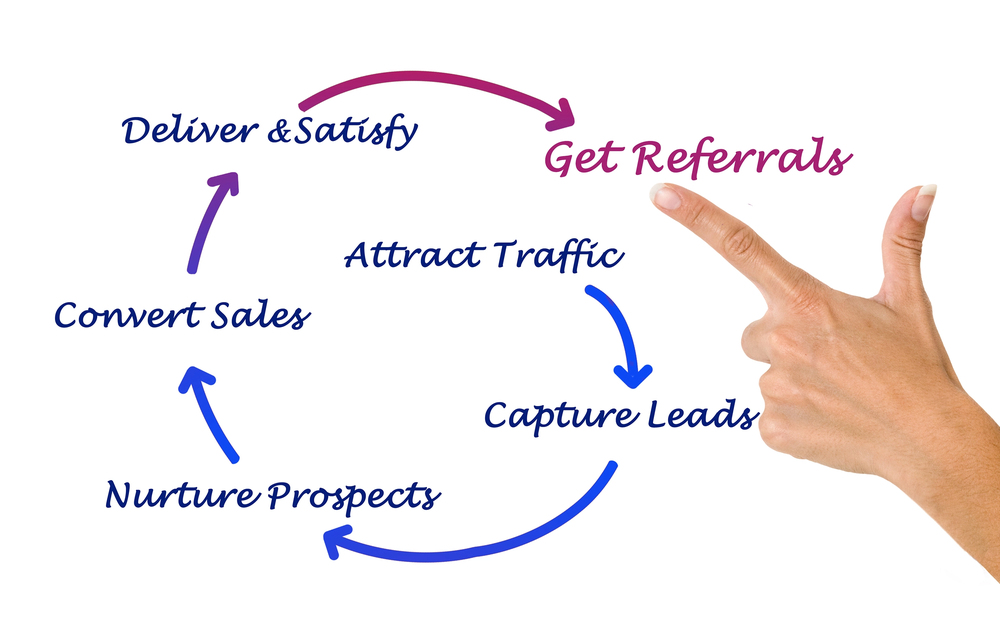
When most marketers think about traffic, their minds jump straight to SEO or paid ads. These strategies perform well… until you stop paying. But there’s an overlooked source that can drive long-term growth without draining your budget: referral traffic.
Referral traffic happens when other websites, businesses, or influencers send their audience your way. The better your relationships are with these sources, the more consistent and high-quality your traffic will be.
If you want to grow your website organically, building relationships that bring in consistent referral traffic should be a core part of your strategy. Let’s break it all down.
Why Referral Traffic Matters for Long-Term Growth
Before we talk about the tactics, let’s make one thing clear. Referral traffic is not just bonus or extra traffic. If you do it right, it can:
- Boost organic rankings. Search engines see backlinks and mentions from relevant, high-authority sites as a vote of confidence.
- Bring qualified visitors. People clicking through from a trusted source are likely already interested in your offer.
- Diversify traffic sources. If all your traffic comes from Google or ads, you’re vulnerable to algorithm changes or rising ad costs.
- Strengthen brand authority. Being associated with reputable industry sites builds credibility.
Link building may not be as easy or as smooth as it sounds, but the right strategy and help from experts can do wonders. For personalised and effective campaigns to build organic referral traffic, you can visit globexoutreach site for a potential collaboration.
Identify the Right Potential Partners
Not every site that links to you will drive valuable visitors, especially if their content is not even remotely relevant to yours. Imagine a brand in the food industry linking to your digital marketing site. It probably won’t get any clicks, not to mention how out of place the partnership would look.
You need partners whose audience overlaps with yours, but isn’t in direct competition. These partners could be:
- Complementary businesses, like a fitness blog linking to a nutrition-focused one
- Industry blogs, such as marketing software featured in a productivity blog
- Professional associations with niche groups that promote members
Make sure the partner you choose has at least some kind of connection to your industry. You can analyse your competitors’ backlinks, see which sites are linked to them, and figure out if you can offer something better. Looking for niche-relevant blogs and communities is another option.
Use tools like Google Analytics to help see where your current referral traffic is coming from (and where it could be coming from).
Focus on Providing Mutual Value
Nobody likes a person who only talks about themselves. The same goes for brands reaching out to potential leads. If all you’re doing is praising yourself or your services, the pitch is going to come off as one-sided. You need to make the recipient feel included.
So, before asking for a link or mention, ask yourself:
- What can I give them first?
- How can I help them look good in front of their audience?
If you’re trying email outreach, for example, direct most of your focus on how you could benefit them rather than from them.
Think beyond simple guest posting. This could mean co-creating a resource, offering insider data or case studies they can publish, or highlighting their brand in your own content or email newsletters. It’s a “give and take” relationship.
Build Relationships Before You Need Them
Cold emails can work, but warm relationships are far more effective. Start engaging with potential partners weeks or months before asking for anything.
You can try:
- Commenting thoughtfully on their blog posts
- Sharing their content on your socials
- Joining their communities and contributing helpfully
When they already know and trust you, a future collaboration feels natural rather than transactional. This way, you can also personalise your emails and pitches better when you do decide to send them.
Make Content Worth Referring to
Even the best outreach efforts won’t work if your site isn’t worth visiting. You want someone to link to you, then make sure you also make them want to link to you.
You can do that by creating content that:
- Solves a real problem for your target audience
- Is visually engaging with images, charts, and infographics
- Is easy to read and skim through with clear headings and a logical structure
- Encourages sharing with CTAs and embedded social share buttons
You can try different types of content based on your niche, industry, and brand voice. The types that perform well for referral traffic include original studies, data reports, guides, and expert roundups featuring industry leaders.
Track, Measure, and Optimise
Once you start building referral traffic, you need to track its impact.
Use analytics to see who is actually driving traffic. Sometimes, the sites you think will perform best aren’t the ones delivering the most engaged visitors.
Once you find a high-performing partner, make sure to:
- Send them regular updates or content ideas
- Show appreciation with a simple email
- Explore new collaboration opportunities
The goal is not just to get a link but to create a traffic pipeline that lasts.
Long-Term Thinking Wins
Too many brands think referral traffic is a “one and done” deal. But the best results come from ongoing relationships that evolve over time. Take it as a long-term investment in your brand’s visibility, authority, and organic growth.
The more genuine connections you create, the more referral sources you’ll have sending you consistent and high-quality traffic.
A blogger might start by linking to your product in one article. Later, you could be featured in another, partner on a social giveaway, or host a live session together. The relationship gets richer, and so does your referral traffic.
Final Thoughts
Referral traffic doesn’t mean you have to chase random backlinks. It involves creating genuine, valuable relationships that encourage other sites to send their audience your way.
When done right, those partnerships become more than a traffic source. They become brand advocates who actively help your business grow.
So, start small, be intentional, and remember that the best referral traffic comes from people who believe in what you do.
Enjoyed this article? Add People Development Magazine as a preferred source on Google:
