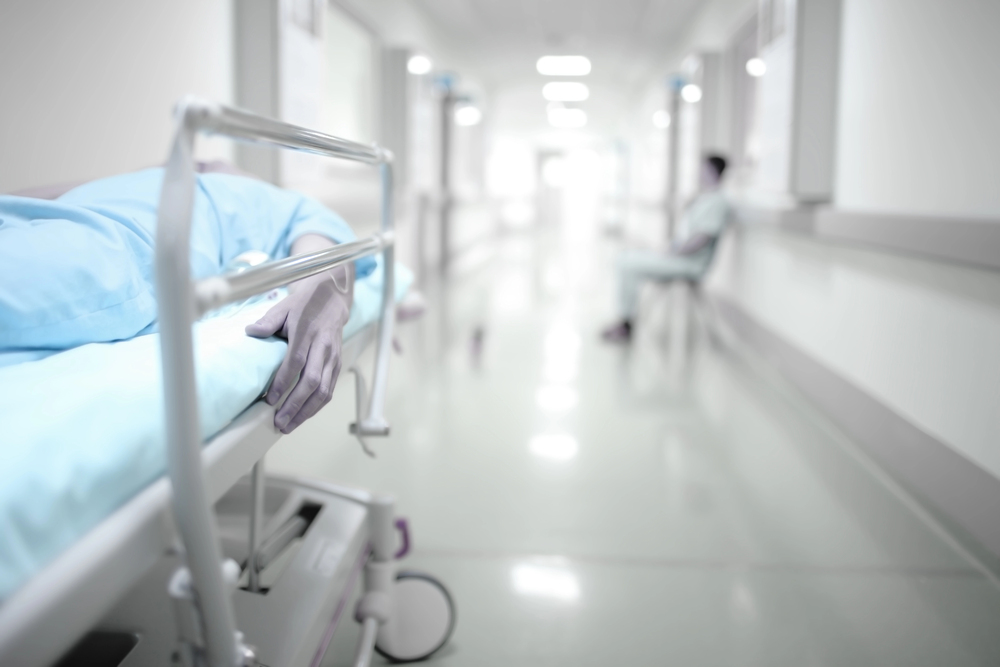
Are you aware that almost 25% of patients admitted to hospitals in the U.S. suffer from a “harmful event” not directly related to their medical condition? This event is still viewed negatively by the hospital. It is extremely annoying and distressing to be told that a family member may be mistreated or neglected in a hospital. Hospitals should always be the places that give treatment and care to the patients. Patient abuse in hospitals must always be treated with utmost seriousness.
According to hospital patient abuse lawyer Heather Tanner, mistreated hospital patients at the very least deserve monetary compensation. Typically, the courts grant them economic damages, non-economic damages, and punitive damages. If you act fast, your loved one will be saved and a lot of critical evidence will be gathered from the hospital staff. Last but not least, patient abuse will be eradicated.
Let’s talk about the ways to guarantee the rights of your family and help them receive proper care.
Recognising the Signs of Abuse in a Hospital Setting
Identifying your loved one in case of abuse at the hospital is a hard thing to do. Look for any signs of physical or mental damage very carefully. Stay alert to sudden injuries, bruises, and neglected signs. This includes uncleanliness or even the development of a bedsore resulting from inadequate attention.
A patient experiencing anxiety or helplessness is a strong indication that they are having problems with the personnel. This patient can go to the extent of being quiet and isolating himself or herself during the conversation. If a patient refuses treatment or discussion, trust your instincts and be careful.
Have open discussions in calming and soothing ways. Ask gentle questions to encourage your loved one to speak without fear.
Documenting Your Concerns and Observations
Documentation is key when you suspect that an abuse event has taken place in a hospital setting. Initially, it is a good idea to write down very accurately what you see and hear. For every suspicion, the dates, times, and instances need to be recorded.
Changes in the patient’s symptoms and moods are to be documented. The names of the staff present at the time of the incidents should not be forgotten either. Try to get photos of visible injuries or signs of neglect.
Take good care of such documentation, which can help you to express your concerns with better clarity at a future date.
Once everything is documented, immediately consult a hospital abuse and neglect lawyer to pursue justice on your behalf.
Communicating With Hospital Staff
Always view communication with the hospital staff as a powerful tool, particularly when suspected or noticed abuse occurs. It is very important to make a good start by stating who you are and what your connection to the patient is. Creating a connection with the hospital may help advocate for the interests of your case.
Details like “I saw Staff Member A do something to my aunt that was quite alarming” should be spoken out in all clarity. You must sound polite at all times, even when pressed by strange responses from the staff. Doing this will show your respect for the staff as you gauge their understanding and willingness to address such concerns. Ask the staff questions regarding the treatment regimen administered to your loved one.
Your line of questions can reveal key information you can use as evidence. Calm questioning can induce a progressive attitude among hospital staff. This can increase their willingness to share critical information.
Reporting the Abuse to Authorities
If you suspect that a relative or a very close friend is being mistreated in the hospital, do not wait and just call the authorities. When you make your report, make sure to write down the date and time of your observations, the specific actions, and any person who might have seen it. Such information could be of great importance in the process of report submission.
You can establish contact with the hospital’s patient advocate, but if time permits, go beyond the initial meeting to report to law enforcement or your state’s health department. Consider feeling fear and doubt as normal emotional responses when you choose to protect a loved one with a power move.
The unveiling of these injustices will not only be beneficial to the victim but also to all those who may have been subjected to such horror.
Seeking Legal and Emotional Support for Your Loved One
It is still necessary to give help and support to abuse victims during the legal and psychological difficulties that come with these incidents. A medical malpractice or patient rights expert lawyer should be hired to guide you in taking full advantage of the legal options that are available. It is critical to have a lawyer who knows what options could be best for you.
Even more important are all the emotional issues that go with this. It would be wise to have your partner start therapy with a psychologist who treats trauma and abuse. According to the neighbourhood support groups, a community can be formed for the victims of similar experiences that will provide people with shared understanding and even some measure of consolation.
You have support in this battle. Several resources are available, and there are many people who are prepared to assist you through tough times.