


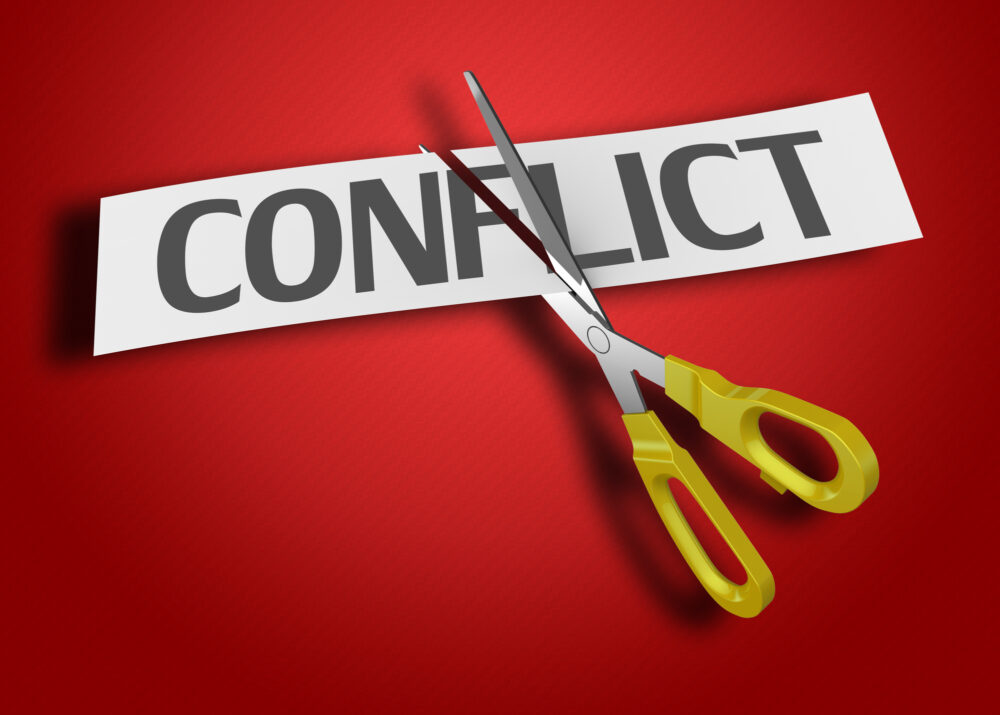
A research paper entitled “Workplace Dispute Resolution and the Management of Individual Conflict — A Thematic Analysis of Five Case Studies” has been published. The thematic review “aims to provide new insights into the challenges faced by organisations in managing conflict.” It throws some light on the power of conflict in the workplace.
There are many great insights in this review. Informal/formal processes, as well as mediation, aren’t very successful. It appears that capacity and capability issues for managers and HR professionals result in a lack of attention to a highly costly problem in the workplace. There are some key conclusions about cultivating more trust and fostering creativity in resolving conflicts at work.
Changing Mindsets Around Conflict
In my article, “Burying the Hatchet on Workplace Disputes,” I identify eight mindset shifts to consider when dealing with unhealthy disputes at work. There is another side to workplace conflict which should be an integral part of leadership and management development. This is the art of nipping unhealthy conflict in the bud and pivoting to a healthy perspective. There are several ways healthy conflict can benefit a business. Recognising this can lead to a more innovative, inclusive and learning mindset around disputes. When this approach is made, then organisations can harness the power of conflict.
When married couples claim they “have never had a cross word”. The consensus is that they are either completely deluded or the relationship isn’t very deep. (I do believe such relationships exist, I just haven’t seen one, but I know you are out there!). Likewise, if all conflict were erased from the workplace, there would be a slight feeling of unease, as it might seem a tad sterile. Some conflict is inevitable at work. Some of that can be seen as healthy and harnessing the power of conflict.
Research on “constructive controversy” or “constructive conflict” asserts that structured conflict can lead to innovation and creativity. There is also a consensus that conflict can be a meaningful and necessary part of the workplace. As a coach, I have found that there are many ways to harness the power of conflict, which can lead to increased self-awareness, learning, and growth. Some of the ways conflict can be seen as positive are by
Recognising And Changing Entrenched Patterns of Creating And Resolving Disputes
Use conflict to become aware of conflict resolution styles. Becoming aware that there are (often unconscious) ways we prefer to deal with conflict can often break the patterns that parties involved in the conflict have become entrenched in. Pointing to different styles and becoming aware of various ways to manage conflict in different situations can increase awareness of one’s effectiveness in such situations.
Releasing Negative Energy
Unresolved negative energy at work, lying unspoken, can thicken the atmosphere. If it remains there long enough, it becomes part of the workplace’s fabric. Unresolved negative energy will unknowingly sabotage your efforts. Often, a conflict situation is the opportunity to clear negative energy.
Using As a Catalyst For Renewal
Like a volcano erupting, unexpected conflict can cause great damage and unnecessary suffering. There is usually an aftermath, followed by a time for renewal. While it’s essential to respect the aftermath of the conflict, it’s also crucial to recognise, at the very moment of eruption, that an intention for renewal must be a focal point.
Learning To See And Accept The Validity Of Different Perspectives
There are many ways conflict occurs. The most common factor is that each person involved may think they are right and the other wrong. It is usually a refusal to see and accept another’s point of view. An otherwise untapped opportunity for broadening the mind can be achieved when part of the resolution process involves seeing things from different perspectives.
Defining “Wanted Behaviours”
Sometimes we don’t know what good is until we experience “not good”. One way conflict can be used positively is to use it as a comparison to underline the behaviours or practices you don’t want to see at work. Reinforcing the ones you do. To be effective, the comparison should discuss the impact of behaviours, although it shouldn’t be made within a blame culture. Otherwise, it will simply induce guilt. If the comparison is seen as a learning tool, then the focus can be positive.
Improve Emotional Intelligence
Without conflict, we can usually remain in our comfort zone. This might feel nice, but it keeps us from growing and living our lives to the full. Conflict can contain many learning opportunities, which can take us out of this zone and, by its very nature, is uncomfortable! By feeling uncomfortable, we can learn about our emotions and so increase the opportunity to develop our emotional intelligence.
Ask “What Have You Learned?”
Too often, when a conflict situation arises, people involved focus on the incident/situation/sequence of events. There may be a telling or recounting of the circumstances leading up to the conflict. Typically, the response is for someone to try to decide whether the behaviours/words, or actions involved in the conflict are right or wrong. An alternative approach is to pivot the attention away from the actual source of the conflict and focus on what has been learned as a result of it.
Effective Conflict Resolution Can Save Money
Although conflict can be healthy, destructive conflict can be costly unless you have measures in place to mitigate its effects when things go wrong. To combat the negative influences, thoughtful conflict resolution management can be a valuable tool for any organisation. Most HR professionals understand how to identify and implement conflict resolution management in any business.
Most organisations experience conflict at some time. Conflict can arise within teams or with individual colleagues. Disputes resolved in the right way are a healthy part of working with others. Professional HR practitioners can help identify the root causes of any conflict. It can help an organisation to change if it is experiencing a culture of conflict. An organisation that adopts effective conflict resolution management is purposeful in highlighting and resolving problems in the workplace.
The Dynamics Of Conflict Resolution
When considering the components of conflict resolution, there are two dynamics to take into account: conflict resolution styles and differences in personality type. If we aren’t sure how people tick, then personality clashes can hinder effective conflict resolution.
1. Thomas-Kilmann conflict mode instrument
The Thomas-Kilmann Conflict Model outlines five different styles of conflict resolution, describing how individuals approach conflict. By understanding these two approaches to conflict, you can empower staff and managers to handle differences in a completely new way.
Everyone has a unique way of dealing with conflict. An organisation has a “culture” of dealing with conflict that often has nothing to do with the policies and values of the company. It is very powerful for an organisation to understand how it can use different styles of conflict resolution in different situations to achieve a win-win result.
2. Personality and conflict
Understanding personality types can help identify the causes of conflict. The MBTI can help individuals and teams understand differences by enabling people to recognise how they and others operate. The result can be less conflict and greater harmony in the workplace. A good Human Resources professional or an MBTI practitioner can help your organisation navigate through the maze of conflict by:
- Helping raise awareness of conflict and solutions
- Supporting leaders to understand their style and way of operating
- Helping teams and individuals to understand different personality types and raising awareness of the benefits of differences
- Offer mediation where any conflicts have become formal
- Help organisations to have effective policies and processes to deal with conflict in a timely and effective way
- Help Managers understand their legislative obligations, particularly around the Equality Act 2010
Understanding conflict resolution styles and personality types, organisations are well-equipped to pivot conflicts to create a healthy culture of airing differences.
Enjoyed this article? Add People Development Magazine as a preferred source on Google:
