Overview
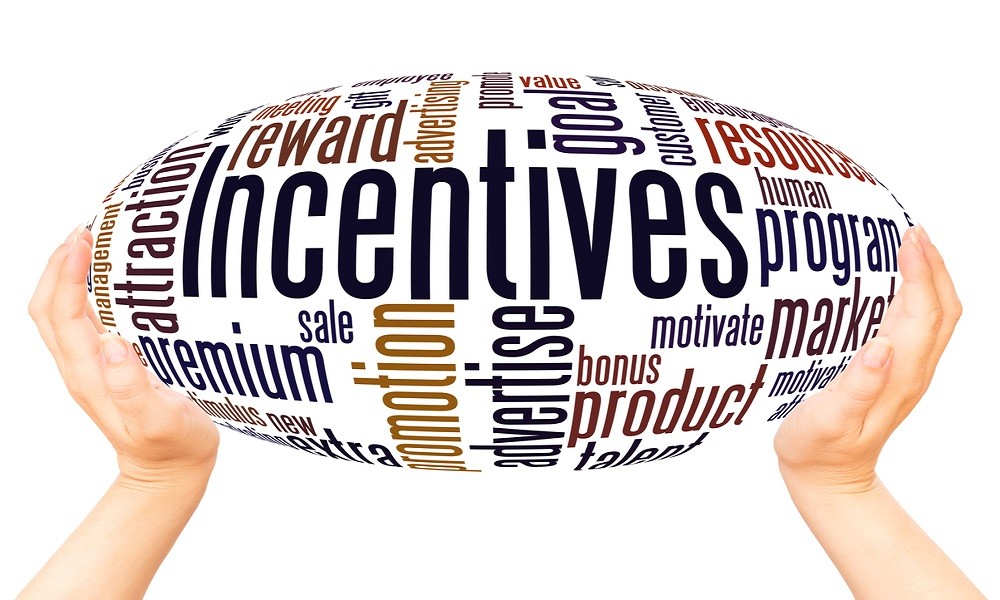
Many organisations invest in employee incentives but see slight improvement in motivation, engagement, or retention. The problem is rarely a lack of effort; it’s choosing incentives that look good on paper but fail to meet real employee needs. This guide explains employee incentives that genuinely motivate employees, showing how to balance financial rewards, wellbeing support, autonomy, and recognition to create a workforce that feels valued, energised, and committed.
Why Many Employee Incentives Fail
Incentives are meant to encourage employees to go beyond basic expectations, yet many schemes fall flat. This often happens when rewards are generic, disconnected from effort, or focused only on short-term performance.
To work effectively, employee incentives must:
- Align with what employees actually value
- Feel fair and attainable
- Reinforce trust and appreciation
- Support both performance and wellbeing
When done well, incentives improve morale, loyalty, and long-term productivity.
Employee Incentives That Motivate Employees in Practice
Below are practical, proven incentive types, each serving a different motivational need. The most successful organisations combine several rather than relying on one approach.
Company-Sponsored Travel Experiences
Incentive travel rewards motivate employees by offering memorable experiences rather than routine compensation. These rewards encourage sustained effort, strengthen loyalty, and give employees something meaningful to work towards beyond their regular salary.
Monetary Bonuses Tied to Clear Outcomes
Cash bonuses remain one of the most effective incentives when linked to transparent performance targets. Employees are more motivated when they clearly understand how effort translates into financial reward and feel the process is fair.
Wellness-Based Incentives
Wellness incentives support motivation by addressing burnout and long-term health. Healthy employees perform better, take fewer absences, and feel cared for beyond their immediate output, which strengthens trust and engagement.
Office Equipment and Technology Upgrades
Providing high-quality equipment signals respect for employees’ time and comfort. When staff have tools that make work easier and more efficient, motivation improves naturally through reduced frustration and increased autonomy.
Profit-Sharing Schemes
Profit-sharing incentives motivate employees by connecting their efforts to organisational success. These schemes work best when contribution and performance differences are recognised rather than distributing rewards equally regardless of impact.
Project Choice and Autonomy
Allowing high performers to choose projects increases motivation by building trust and ownership. Autonomy signals confidence in employees’ judgment and encourages deeper engagement with work outcomes.
Dedicated Parking or Practical Perks
Small but visible perks, such as priority parking, work because they provide daily recognition. These incentives act as consistent reminders that effort is noticed and appreciated by the organisation.
Off-Site Activities and Team Experiences
Team activities motivate employees by strengthening relationships and trust. Shared challenges outside the workplace develop communication, problem-solving, and cooperation that translate directly into improved workplace performance.
Simple Recognition and Appreciation
Simple gestures, such as personalised thank-you notes, can be powerful motivators. Recognition satisfies a fundamental human need to feel seen and valued, often producing a stronger emotional impact than financial rewards alone.
How to Choose the Right Incentives for Your Organisation
The most effective employee incentives are those that balance:
- Practical support (pay, equipment, wellbeing)
- Emotional motivation (recognition, trust, belonging)
- Future focus (growth, autonomy, shared success)
One-size-fits-all incentive schemes rarely work. Motivation increases when incentives reflect the diversity of employee needs and life circumstances.
Key Takeaway
Employee incentives that motivate employees are not about extravagance; they’re about relevance. When incentives genuinely support employees’ wellbeing, recognise their contribution, and align effort with reward, motivation becomes sustainable rather than forced.
A thoughtful incentive strategy doesn’t just improve performance, it builds a healthier, more committed organisation.