The visual image of United Airlines passenger Dr. David Dao being dragged off an overbooked plane went viral around the world in 2017. United’s choice to forcefully manhandle a paying customer was disturbing and disgraceful. It was the anatomy of tone-deaf leadership.
The shocking optics caused a public relations nightmare for the airline. Instead of coming forward with a sincere apology, United CEO Oscar Munoz rubbed salt into their wounds when he made insensitive post-event statements. The United boss sent an internal communication justifying their security staff’s actions. He also labelled Dr Dao as “disruptive and belligerent.” Consequently, Munoz exacerbated a bad situation when his comments were abysmally tone-deaf.
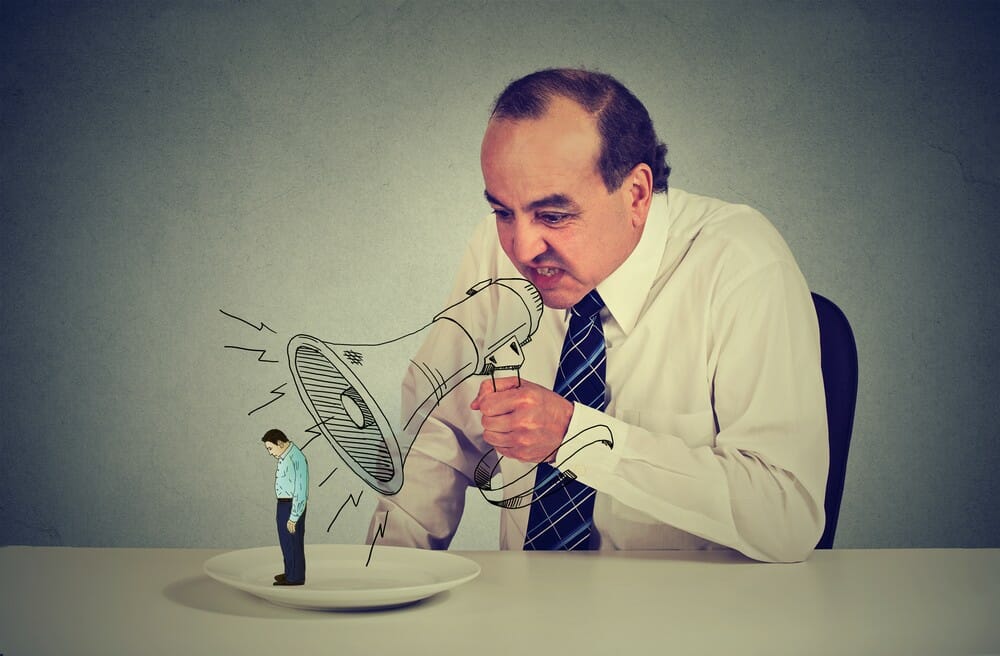
Some people are musically tone-deaf because they cannot distinguish between musical notes. Bosses show leadership tone deafness when they cannot (or will not) hear or talk about the truths and realities surrounding a critical situation. These bosses are often inappropriately directive in their leadership style..
What Is Tone Deaf Leadership?
Basically, tone-deaf leadership occurs when the leader ignores what is going on around them to the detriment of their team. These tone-deaf leaders aren’t tuned into their surroundings, and the upshot is that they are not great business leaders. They are wrapped up in their own narrative and process and so fail to recognise that they need to consider how others are experiencing a given situation or circumstance.
One Of The Most Prevalent Tone-Deaf Discussions In The Past Few Years
In the business world, one of the most prevalent tone-deaf discussions has been whether employees can work at home. Dictates from Senior executives disparaging people who thrive from working from home have entirely disregarded the benefits that many people find from working from home. The nuance they miss is that some people will thrive in the office, and others will be more productive and healthier working from home. Enlightened and tuned-in leaders know they need to offer a range of ways of working to get the best out of their people.
Protecting Reputation at All Costs
Fear and defensiveness are two reasons why leaders become tone-deaf. Defensiveness makes admitting a mistake or “doing the right thing” almost impossible. When our brains detect a threat, we go into protective mode. Leaders should learn the triggers that cause defensive emotional reactions to combat becoming defensive.
Fear is another motivational driver. If there’s a perceived inkling of liability, the foreboding attorney’s voice in a leader’s head warns of a possible lawsuit. Telling the truth and taking responsibility takes effort and a clear mind. Good leaders work on both.
Leadership and Attuned Communication
Successful leaders know the people and customers they serve. The best leaders are attuned to the how, when, what, and why of their messages. When a serious situation develops, good leaders know a prompt response is a necessity—even if the response is, “We do not know what happened, but we are investigating.” In the United incident, Munoz started correctly by immediately addressing the situation. He quickly lost credibility when we sensed his words as biased and insensitive.
Words, Context, and Delivery All Matter
People look to leadership for answers, especially in a crisis. Their actions and words matter. When a leader’s words are on point, we are open to the message or patient enough to hear more. On the flip side, we jump to the conclusion that the leader is disconnected and clueless, especially when the message is indifferent, insensitive, or self-serving.
Gifted leaders understand the contextual nature of influential communication. They grasp and synthesise the circumstances around a particular setting. Wise leaders astutely adjust their messaging to fit the context of any situation. In the United case, Munoz did not recognise the breadth and depth of what had just happened.
In a crisis, the delivery medium makes a difference. Usually, in-person interactions are better than written ones. Written statements are not as compelling as seeing a leader’s sincerity when delivering in person. Moving words, body language, and emotions can positively connect in more personal ways than just text.
New United Airlines Mottos
Many newsworthy crises inevitably replaced the United Airlines incident. Thanks to cell phones and the media, crises happen every day. However, United Airlines, Oscar Munoz, and Dr. David Dao are forever linked. As this story unfolded, United Airlines’ stock price declined in value, and the company paid Dr Dao an undisclosed settlement. Thanks to social media, United became a laughingstock and dealt with a gigantic PR nightmare.
Meanwhile, Dr. Dao became the symbolic hero of the forsaken airline passenger. Unfortunately for CEO Munoz, his claim to fame will be his out-of-touch, tone-deaf comments and decisions. Hopefully, other leaders will learn valuable lessons from Munoz about what not to do. We’ll wait and see.