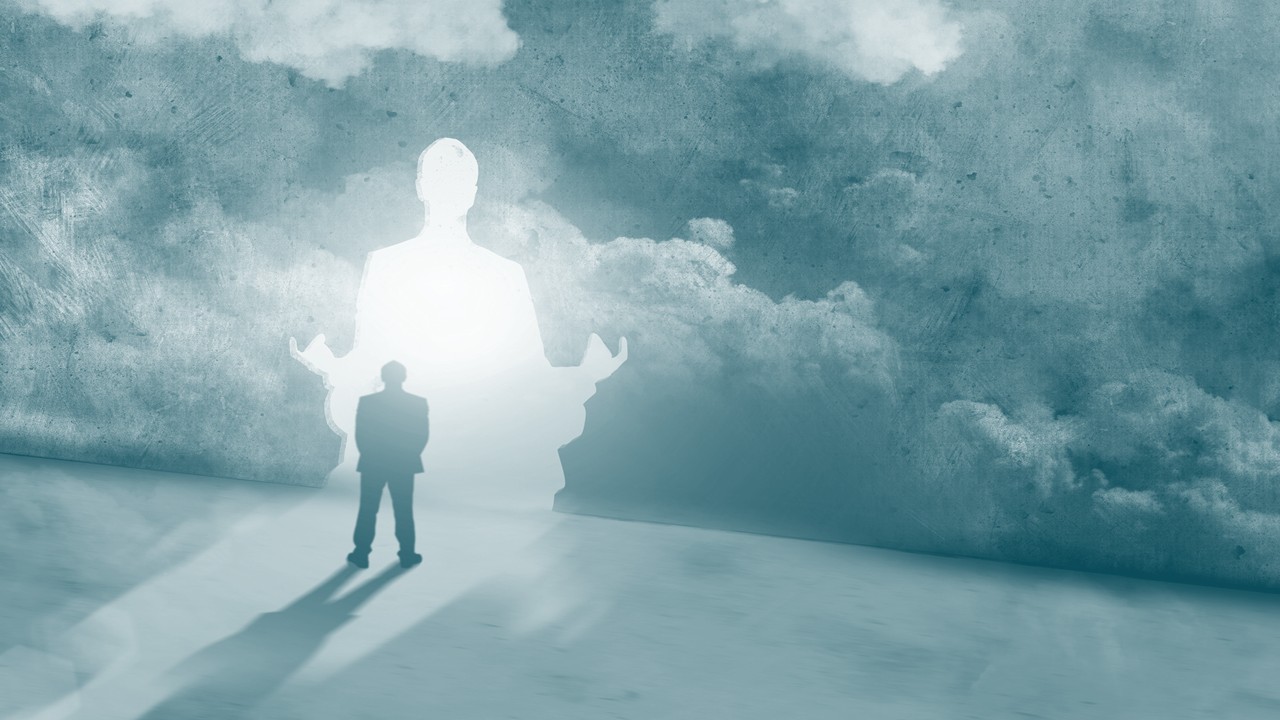
Life throws challenges at us. Unexpected job losses. Health scares. Relationship breakdowns. Moments where we feel pushed beyond what we think we can bear. In these times, resilience becomes more than a concept. It becomes a lifeline. But what if true resilience is not about pushing through or putting on a brave face? What if the deepest resilience comes from a place within us that is calm, wise, and unshaken? This is the path of resilience and the Higher Self. A way of facing life’s difficulties by connecting to your inner wisdom, rather than reacting from fear. It is less about effort and more about alignment with who you truly are.
What Is True Resilience?
Resilience is often misunderstood as mental toughness or a stiff upper lip. But real resilience is much deeper and more intelligent.
At its core, resilience is the ability to recover from setbacks, adapt to change, and grow through difficulty. It involves emotional regulation, optimism, flexibility, and the capacity to stay grounded under pressure.
True resilience is not the absence of emotion, but the ability to feel deeply while choosing a response that supports your wellbeing and growth. It means recognising when you are triggered, allowing your emotions, and then choosing to return to balance.
Why the Higher Self Is Essential for Resilience
Your Higher Self is the unchanging part of you that sees with clarity, love, and wisdom. It is connected to a wider intelligence and offers a perspective beyond the ego’s fear and limitation.
Building resilience through the Higher Self involves:
- Self-awareness: Noticing your ego’s reactivity without becoming it.
- Unity consciousness: Knowing you are never truly separate, even in pain.
- Intuitive guidance: Trusting your inner voice to lead you through challenge.
- Inspired action: Turning pain into purpose that helps others.
This is not wishful thinking. It is a practice grounded in neuroscience, emotional intelligence, and the lived experience of those who have used spiritual awareness to rise from difficult circumstances.
The Two Thought Systems: Ego Reactions vs Higher Self Responses
When life gets tough, we tend to default to our ego and emotional brain (the amygdala). That is natural. But the more resilient response often comes from the prefrontal cortex and our connection to the Higher Self.
Here are some common scenarios and how your ego and Higher Self might respond differently:
1. Recovering from Setbacks
- Ego: “This is the end. I cannot come back from this.”
- Higher Self: “This challenge is here to help me grow. What is it teaching me?”
2. Facing Tough Times
- Ego: “Why does this always happen to me?”
- Higher Self: “How can I meet this with strength and compassion?”
3. Adapting to Change
- Ego: “I am not ready. I want things to stay the same.”
- Higher Self: “What possibilities might this change be opening for me?”
4. Managing Stress
- Ego: “I can’t cope. I need to escape.”
- Higher Self: “Let me pause, breathe, and find my centre before I act.”
5. Staying Positive
- Ego: “Everything is falling apart.”
- Higher Self: “There is still beauty, meaning, and purpose here. Let me look for it.”
6. Seeking Help
- Ego: “I should be able to handle this alone.”
- Higher Self: “Reaching out is a sign of wisdom and strength.”
7. Learning from Mistakes
- Ego: “I’ve failed. I’m not good enough.”
- Higher Self: “This mistake is part of my growth. What will I do differently next time?”
8. Setting Boundaries
- Ego: “They’ll think I am selfish if I say no.”
- Higher Self: “Clear boundaries are an act of self-respect and love.”
9. Embracing Vulnerability
- Ego: “If I show my weakness, I’ll lose credibility.”
- Higher Self: “Vulnerability is where true strength and connection live.”
10. Maintaining Balance
- Ego: “I must do everything perfectly.”
- Higher Self: “Balance leads to sustainability and peace. I am enough as I am.”
Resilience Is Like a Muscle You Can Train
Resilience is not something you have or do not have. It is a capacity that grows with use. Just like a muscle, the more you practise choosing your Higher Self in moments of stress, the stronger your resilience becomes.
Your brain changes with this practice. Neuroplasticity ensures that the more often you choose love, wisdom, and calm, the more accessible those states become. You are not just building strength. You are rewiring your nervous system.
When Resilience Is Misused to Excuse Harm
It is important to say this clearly: Resilience should never be demanded in place of empathy or fairness.
Sometimes, people are told to “toughen up” in toxic environments. If someone is being mistreated or overwhelmed, labelling them as lacking resilience can be deeply damaging. A conscious response involves compassion, support, and collective responsibility, not blame.
True resilience thrives in safe, respectful, emotionally aware environments. Whether in families, workplaces, or communities, we all have a role in co-creating that space.
How to Strengthen Resilience Through Higher Self Practices
Here are some simple ways to grow your resilience while deepening your connection to your Higher Self:
- Pause and breathe before reacting. Create space to choose.
- Journaling: Ask, “What is my Higher Self guiding me to see here?”
- Mindfulness: Practise presence without judgement. The present moment is where clarity lives.
- Reframe challenges as soul lessons: “What if this is here for me?”
- Visualise your Highest Self guiding you with strength and compassion.
- Connect with others who reflect your inner truth.
- Forgive, yourself and others. Let go of the weight that keeps you stuck.
You Are Stronger Than You Know
Resilience is not about pretending to be strong. It is about remembering the strength that already lives in you. When you connect with your Higher Self, you move from fear to faith, from control to surrender, from reaction to conscious response.
You are not here to simply survive life. You are here to grow through it, to expand, and to uncover the light that was always inside you.
In the face of any challenge, ask yourself:
What would my Higher Self choose now?
That is where your true resilience begins.