



Overview
Starting a successful restaurant requires careful planning, strong location choices, a clear theme, a focused menu, and the right team. This guide explains how to create ambience, curate dishes, source quality ingredients, and hire staff who elevate customer experience, helping new restaurant owners build a solid foundation and increase long-term success as part of wider business growth strategies for entrepreneurs.
Introduction
For some people, cooking is just a hobby, while for others it’s a passion. Maybe you’ve always had a dream of opening your own successful restaurant. You could share your passion with anyone who walked through the door by making them your favourite dishes. It can be intimidating to try to make your dream a reality, especially if you’ve heard that most restaurants only have a 20% chance of success.
Nearly 60% of restaurants fail within their first year of business, and 80% fail within their first five. The critical thing to do when going into business for yourself is to research and make a plan for success. The more planning that goes into your business, the less likely you are to fail, and resources on how to begin a successful business can give you a helpful framework. Here are some tips to help you get started in building your restaurant.
Opening in the Right Location
Location is something that can really make a successful restaurant. You want to open somewhere where you’re guaranteed to be seen by a lot of people. Either downtown, where the foot traffic will earn you some guests, or along a main road so that the name of your restaurant will stick in the minds of passersby. No matter the location you choose, you should really consider buying an existing restaurant.
lass=”yoast-text-mark” />>Not only will purchasing an existing restaurant guarantee that the space will work for your needs, but it will also save you a lot of time, money, and unnecessary stress. You would face this stress if you decided to renovate a property or build from the ground up.
Creating Ambience
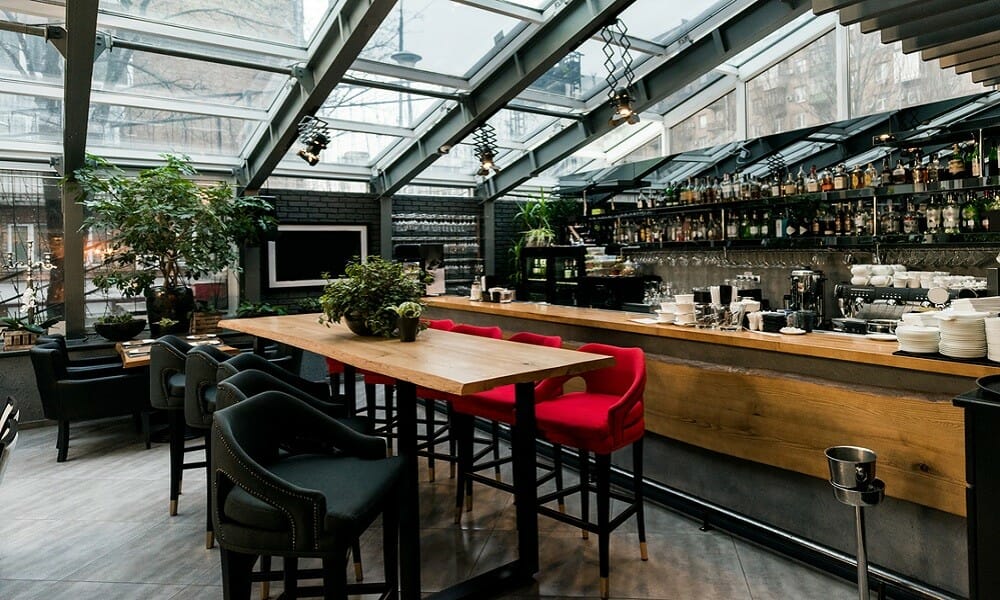
Just as important as the location is the ambience of your restaurant. You shouldn’t feel the need to create a fancy space, especially if your restaurant specialises in something like burgers and fries—just something with a theme. A theme doesn’t necessarily mean that you need to purchase a bunch of nautical decorations or force your waitstaff to dress in cow folk garb and talk with a southern accent. It just means that there should be consistency in your restaurant’s decor.
Everything should ‘fit’ into the overall style of your restaurant. Mixing too many styles within your decor will leave guests feeling unsettled and might cause them not to return. So it’s important to create an environment that is both easily identifiable and makes sense for the type of restaurant that you open.
Curating the Perfect Menu
Just as important as the theme of your restaurant is the theme of your menu. It wouldn’t make sense to offer cornbread and ribs alongside ratatouille and quiche. Your menu needs to be consistent if you want your customers to trust the quality of your food. Specialising in one type of cuisine rather than spreading yourself across multiple styles will make you seem both more professional and more capable in the dishes you make. You should also not be afraid to alter your menu after opening. Just because you’ve written it all out doesn’t mean it’s set in stone.
You might find that certain dishes are not as popular as others, and it wouldn’t make sense to stock up on the ingredients for dishes that are less popular on the off chance that someone does end up ordering them. This would just end up being a waste of money. So, it makes more sense to take it off the menu entirely so you can focus your energy and finances on the more popular dishes. Thinking about when to introduce, adapt or remove dishes is very similar to managing the lifecycle of the products you offer, and treating your menu in this way can make your restaurant more sustainable.
In addition to providing quality options for your guests, you should also provide them with quality ingredients. The quality of the ingredients that you use will significantly impact the overall calibre of your dishes. Opt for fresh ingredients over frozen, and always be mindful of when ingredients are getting close to expiring. If you’re unsure whether something is still good or not, it’s safest to throw it out. You don’t want to end up earning a reputation for giving your customers food poisoning.
Hiring the Right People
When looking to hire staff for your restaurant, your gut might be to pick applicants with more experience in the food and service industries; however, it could easily be argued that personality is a more critical factor. While you can train a new hire on taking orders and waiting tables, you can’t train someone to be more charming. Think of it like this: would you be more put off by your visit to a restaurant if your server brought you the wrong drink, or if they were rude and inattentive throughout your meal? The concept of ‘personality hires’ is becoming much more critical to businesses. They realise the impact that customer service has on a guest’s overall experience. You want the people who come to your restaurant to feel welcome the entire time they’re in your establishment. So you must find the right staff to ensure this.
As your restaurant grows, you may also want to think about how your people, menu and customer experience fit into more general
business innovation efforts, especially if you plan to expand, open additional sites or evolve your concept over time.
Enjoyed this article? Add People Development Magazine as a preferred source on Google:
